

Why the Label Exists - and What It Actually Tells You
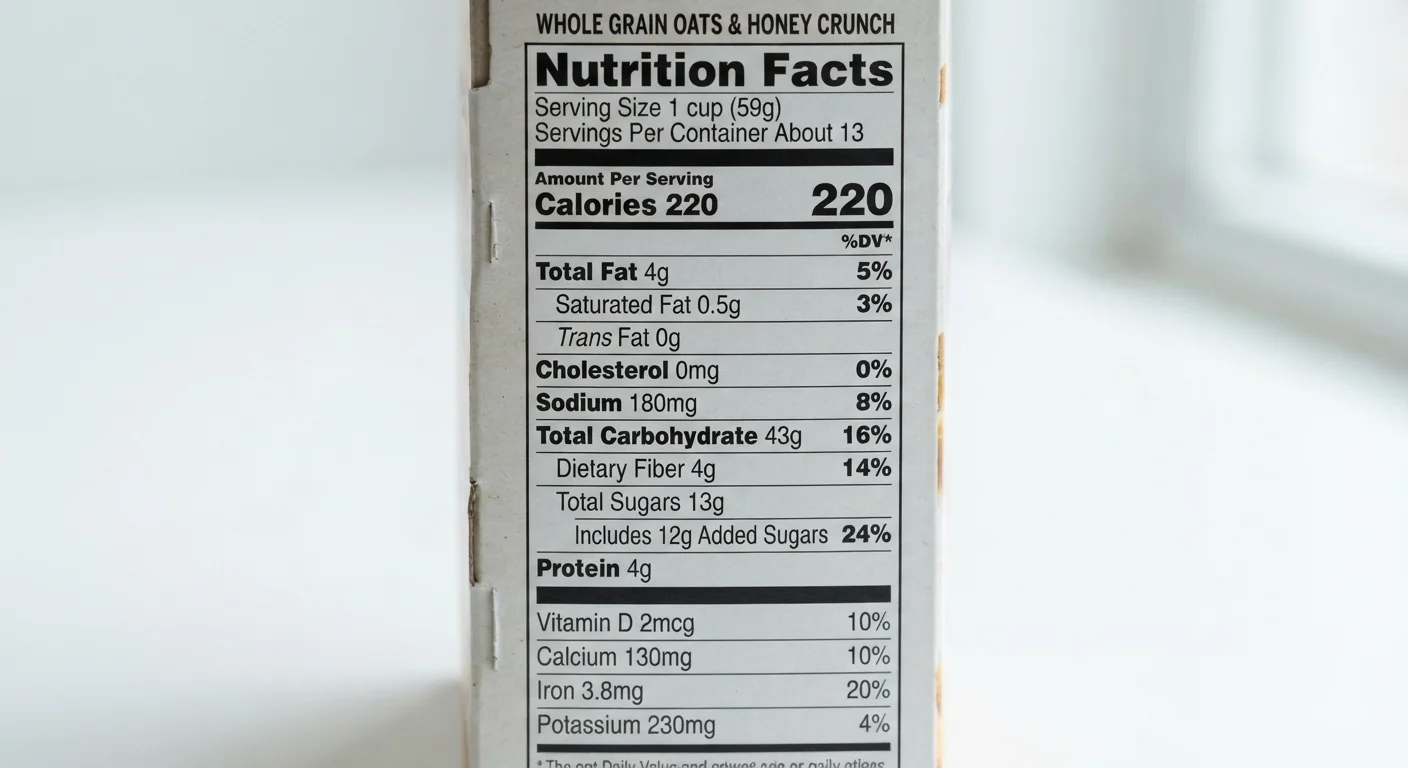
The Nutrition Facts panel is a federally standardized format required by the FDA on most packaged foods sold in the United States. Its purpose is straightforward: give consumers consistent, comparable data so they can make informed choices. The challenge is that a grid of numbers without context can feel more like a tax form than a food guide.
Understanding the label doesn't require a nutrition degree. It requires knowing which numbers to look at first and what they mean in the context of your whole diet. For a broader grounding in the principles behind these numbers, see our nutrition fundamentals guide.
Use the Label as a Comparison Tool
The Nutrition Facts format is standardized precisely so you can hold two products side by side and compare them on equal terms. When evaluating two versions of the same type of food - say, two cereals or two yogurts - check that the serving sizes are equivalent before comparing any other figure. Small differences in serving size can make a higher-calorie product appear comparable to a lower-calorie one.
How to Work Through a Nutrition Label, Step by Step
Follow these steps in order - each one builds on the last. Skipping to calories without checking serving size, for example, is the single most common source of confusion.
Find the Serving Size - Before Anything Else
Every figure on the label - calories, fat, sodium, vitamins - refers to one serving, not the entire package. The serving size is printed at the very top of the panel, alongside the number of servings per container.
If a bag of chips lists 150 calories per serving and contains 3 servings, eating the whole bag means consuming 450 calories. This single step resolves the majority of label-reading errors.
Read the Calorie Count in Serving-Size Context
Calories measure total energy in one serving. They are not inherently good or bad - they are simply a unit of measurement. What matters is how the calories in a given food fit into your broader eating pattern and whether those calories carry useful nutrients alongside them.
The concept of nutrient density - how many vitamins, minerals, and fiber you get relative to calorie count - is a practical lens here. Our guide on nutrient density vs. calorie density explains this framework clearly.
Check the Nutrients to Limit
The label flags several nutrients most Americans tend to overconsume. Pay attention to:
- Saturated fat: Linked in research to elevated LDL cholesterol at high intakes. Current dietary guidance recommends keeping it relatively low.
- Sodium: Essential in small amounts but consumed in excess by most US adults, primarily through processed foods.
- Added sugars: Contribute calories with little nutritional value; associated with dental health concerns and metabolic effects at high intakes.
A %DV of 5% or less is generally considered low for these nutrients; 20% or more is considered high.
Look for the Nutrients to Prioritize
Beneath the nutrients to limit, the label lists nutrients many people don't get enough of - dietary fiber, vitamin D, calcium, iron, and potassium. A higher %DV for these is generally favorable.
Dietary fiber, for example, supports digestive health and contributes to satiety. Foods with meaningful fiber content (5g or more per serving) tend to be more filling relative to their calorie count. For a deeper look at how individual nutrients interact with the body, see how nutrients signal your body.
Scan the Ingredients List
The ingredients list is separate from the Nutrition Facts panel but equally informative. Ingredients appear in descending order by weight - whatever is listed first makes up the largest proportion of the product.
Scan for a few things: Is the first ingredient a whole food (like whole grain oats or tomatoes) or a refined ingredient (like enriched flour or sugar)? How long is the list? Are there many names you don't recognize? None of this is a disqualifier on its own, but the pattern gives useful context that the numbers alone don't.
Common Stumbling Blocks and How to Think Past Them
"Low fat" doesn't mean low calorie or healthy. When fat is removed from a product, manufacturers often compensate with added sugars or sodium to maintain palatability. Always cross-reference the full label rather than relying on front-of-package claims, which are marketing language, not regulated nutrition data.
% Daily Values are based on a 2,000-calorie diet. Your actual needs may differ depending on age, sex, activity level, and health status. The %DV is a useful relative benchmark - a quick way to gauge whether a nutrient is present in a meaningful amount - but it shouldn't be taken as a personal prescription.
Added sugars vs. total sugars. Total sugars include naturally occurring sugars from dairy or fruit alongside sugars added during processing. The added sugars line, introduced in the updated 2016 label format, isolates only the latter. This distinction matters because added sugars contribute calories without the fiber, vitamins, or other compounds that accompany naturally occurring sugars. Our article on natural vs. added sugars explores this in more depth.
If conflicting food headlines have left you skeptical about what nutrition guidance to trust at all, why eating healthy feels complicated addresses exactly that friction.
This article provides general nutrition education and is not a substitute for personalized advice from a registered dietitian or qualified healthcare professional.
The content on this site is for informational purposes only and is not a substitute for professional advice. Always consult a qualified professional for guidance specific to your situation.