

Why These Myths Persist - and Why They're Expensive
Home improvement advice travels fast - through neighbors, TV renovation shows, and well-meaning relatives. The problem is that much of it is oversimplified, outdated, or only true in specific circumstances. Acting on bad information can mean spending thousands of dollars on a project that doesn't add value, skipping a step that creates a legal headache later, or tackling work that puts your safety at risk.
Understanding what the evidence actually suggests - rather than what sounds intuitively correct - is one of the most practical things a homeowner can do. For a broader look at how these misconceptions affect budgets, see our guide on why renovation budgets spiral.
Myth
Painting your home before selling will significantly boost its resale value.
Fact
Fresh paint can improve a home's presentation, but it rarely returns its full cost dollar-for-dollar at resale.
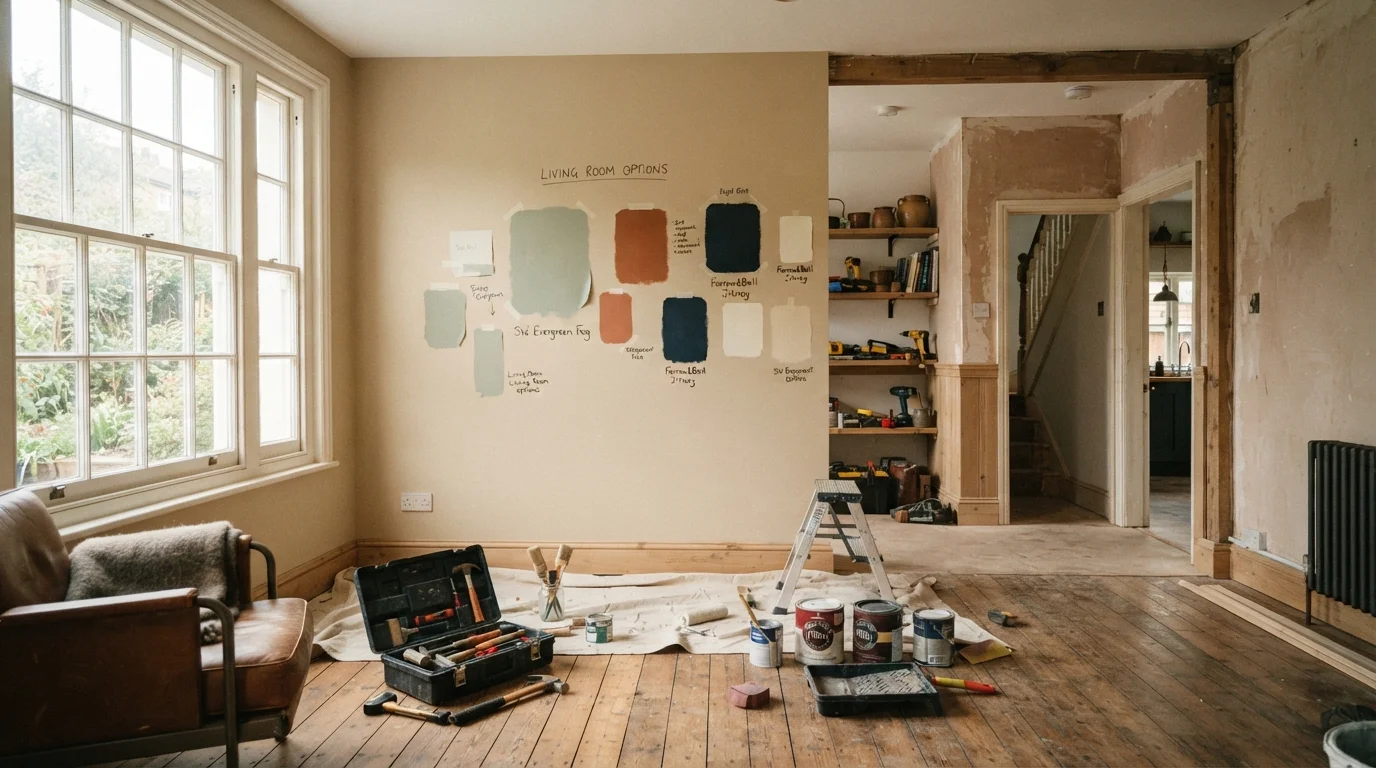
The logic seems sound - a freshly painted home looks better, so buyers will pay more. In practice, buyers and appraisers evaluate overall condition, layout, location, and comparable sales. A neutral, clean paint job helps a home show well and may prevent buyers from negotiating down, but it's rarely the source of a meaningful price premium. Highly personalized or bold color choices can actually reduce appeal. If you paint before selling, the goal should be removing objections, not manufacturing value.
Myth
You always need a permit for home improvement work.
Fact
Permit requirements vary by project type, scope, and local jurisdiction - many small projects don't require one.
Permit requirements are set at the local level and differ considerably from one municipality to the next. Replacing a faucet or painting a room almost never requires a permit. Adding a room, altering load-bearing walls, rewiring electrical circuits, or modifying gas lines typically does. The real risk is assuming you don't need one when you do. Unpermitted work that should have been permitted can create problems when you sell, lead to fines, and may void portions of your homeowner's insurance coverage. When in doubt, a quick call to your local building department is always the right first step.
Myth
More expensive materials always mean better results and higher home value.
Fact
Material quality matters, but the highest-cost option rarely delivers proportionally better outcomes for most residential applications.
Premium materials can be justified in high-wear areas - quality flooring in a high-traffic hallway, for example - but the relationship between cost and performance is not linear. Mid-range products often meet the same durability standards as premium ones for typical home use. More importantly, appraisers evaluate a home against comparable properties in the same neighborhood. Installing high-end finishes in a modest home rarely returns the investment because buyers in that price range have a ceiling on what they'll pay regardless of material quality.
Myth
DIY work always saves money compared to hiring a professional.
Fact
DIY saves on labor costs but can become more expensive when mistakes require professional correction or when unpermitted work creates compliance issues.
Labor is a real cost, and doing work yourself can meaningfully reduce it for straightforward projects like painting, landscaping, or installing pre-made cabinetry. But skilled trades - electrical, plumbing, HVAC, structural work - involve code requirements, safety risks, and technical knowledge that take years to develop. Errors in these areas can be expensive to undo and potentially dangerous. Some jurisdictions also prohibit unlicensed individuals from performing certain work, meaning a DIY attempt could require a licensed contractor to certify or redo it anyway.
Myth
Kitchen and bathroom renovations always pay for themselves at resale.
Fact
Kitchen and bath remodels can add value, but full cost recovery at resale is uncommon and varies considerably by market.
Industry data consistently shows that even well-executed kitchen and bathroom remodels rarely return 100% of their cost in resale value - and many return considerably less. This doesn't mean the projects are bad decisions; improved livability and personal enjoyment have real value. But homeowners who renovate primarily to recoup cost at sale are often disappointed. The return depends heavily on the local market, the home's overall condition, and whether the renovation is appropriate for the neighborhood's price range.
Myth
Fixing everything before listing your home will get you the highest sale price.
Fact
Strategic repairs typically matter more than comprehensive pre-sale renovation - some projects offer minimal return relative to their cost.
The instinct to present a perfectly finished home is understandable, but not every repair justifies the expense in the context of a sale. Buyers expect to negotiate, and some will want to make their own choices about finishes and upgrades anyway. Deferred maintenance items - a leaking roof, faulty HVAC, foundation concerns - absolutely need attention because they'll surface in inspections and derail negotiations. Cosmetic issues are more negotiable. Consulting a real estate professional familiar with your local market before spending on pre-sale improvements can prevent significant wasted expenditure.
Making Smarter Decisions Before You Start Any Project
The myths above share a common thread: they encourage homeowners to act on gut instinct or inherited wisdom rather than verifiable information. A few habits consistently lead to better outcomes.
- Get local data first. Real estate agents, appraisers, and municipal building departments can tell you what actually adds value and what's required in your specific area.
- Request multiple quotes. Contractor pricing varies widely. Getting at least three quotes helps you identify outliers and understand realistic labor costs.
- Separate cosmetic from structural. Structural improvements - roof, foundation, electrical, plumbing - protect your home's integrity. Cosmetic updates may improve livability but often return less at resale than homeowners expect.
- Check permit requirements early. Contact your local building or planning department before starting any substantial work. Unpermitted improvements can complicate home sales and insurance claims.
For a candid look at when doing work yourself makes sense and when it doesn't, see our article on DIY home maintenance advantages and limitations. And if you suspect other areas of your home routine are built on assumptions, the same critical thinking applies - our coverage of home maintenance myths addresses several more common ones.
Don't Skip the Licensed Professional for Regulated Trades
Electrical, gas, structural, and plumbing work that connects to mains systems is regulated in most US jurisdictions for good reason - errors can cause fires, flooding, structural failure, or injury. Even if you're confident in your skills, this type of work typically requires a licensed contractor and a permit. Cutting corners here creates liability that far exceeds any short-term labor savings.
This article provides general home improvement information for educational purposes. Project costs, permit requirements, and return on investment vary significantly by location. Always consult local building authorities, licensed contractors, and qualified professionals before undertaking significant home improvement work.
The content on this site is for informational purposes only and is not a substitute for professional advice. Always consult a qualified professional for guidance specific to your situation.