

Summary
22 items · 1-2 hours spread across 48 hours
Why the 48-Hour Window Matters
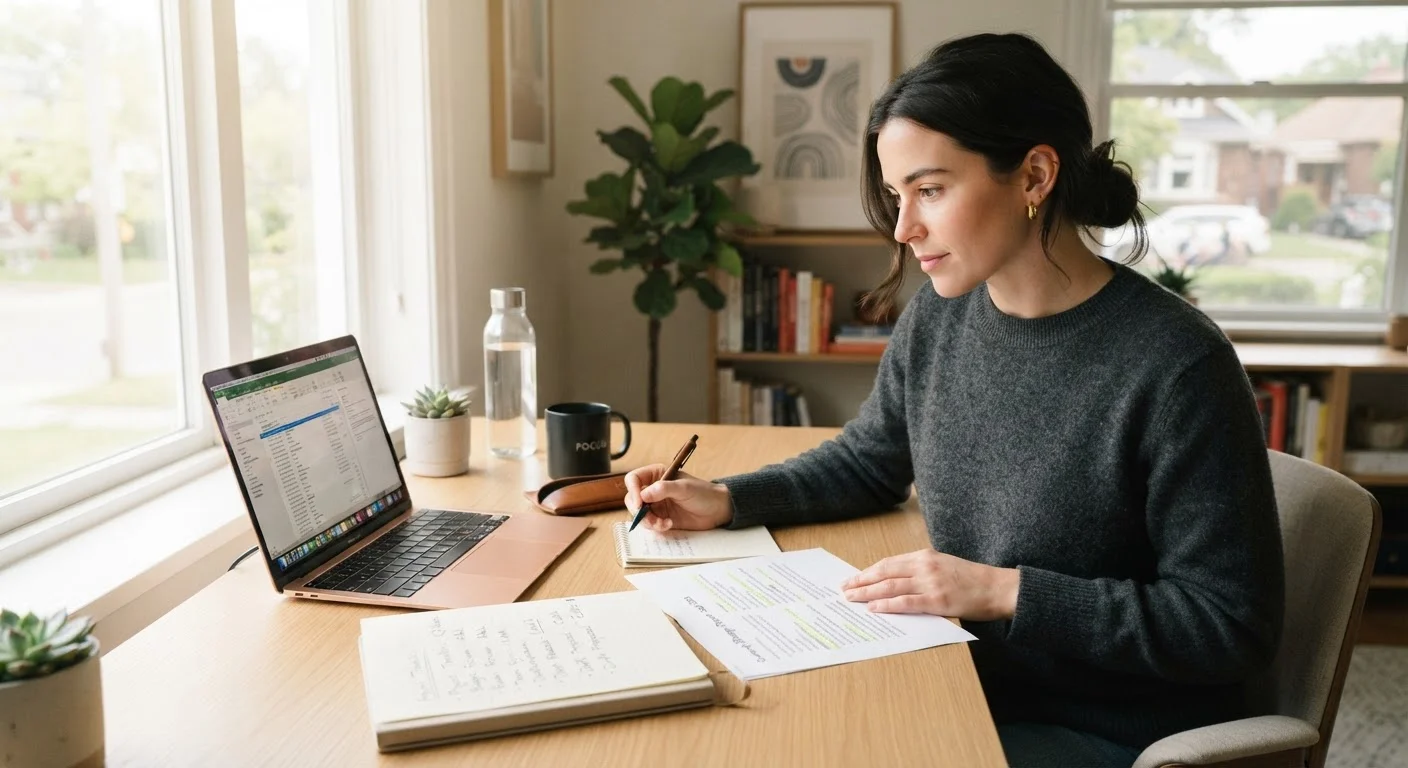
Most candidates spend weeks polishing a resume and minutes preparing for the actual conversation. The 48 hours before an interview are when preparation becomes performance - when the research you've done gets converted into composure, sharp answers, and genuine engagement.
This checklist is designed to be worked through in two phases: tasks to complete the day before, and a focused morning routine on interview day itself. It covers research, materials, logistics, and mindset so nothing falls through the cracks.
This checklist fits within a broader approach to interviewing. If you want a full picture of every stage - from invitation to offer - see the complete interview guide. And if you're still in the application stage, this job search preparation checklist is worth working through first.
Job description (printed or saved)
Use as your primary reference when mapping your experience to what the employer is asking for.
Company website and recent press
Helps you speak knowledgeably about the organization's work, culture, and current focus areas.
LinkedIn (your profile and the interviewer's)
Confirm your profile is current and research your interviewer's background before you meet.
Printed resume copies and reference list
Physical copies signal preparation; bring enough for each interviewer plus one for yourself.
Video conferencing software (for virtual interviews)
Test audio, video, and connection stability at least 24 hours before your scheduled time.
Portfolio or work samples
Concrete examples of your output can differentiate you in roles where skills are assessed by evidence.
The Full 48-Hour Checklist
Work through these items in order. The research and logistics tasks are best completed the evening before; the mindset and materials tasks apply to both days.
Research & Role Preparation
Materials & Documents
Logistics & Practical Planning
Practice & Mindset
Don't Memorize - Internalize
Scripting exact answers word for word often backfires: if you lose your place, recovery is harder and the delivery sounds rehearsed. Instead, practice the key points and examples you want to hit, then let your natural language carry the answer. Interviewers consistently respond better to conversational fluency than polished recitation.
One item many candidates overlook: preparing your own questions. Interviewers consistently note that candidates who ask nothing - or ask only about salary - leave a weak impression. Our guide to questions worth asking at the end of an interview gives you a curated starting point.
The content on this site is for informational purposes only and is not a substitute for professional advice. Always consult a qualified professional for guidance specific to your situation.