

Summary
22 items · 30-60 minutes
Why Preparation Matters Before You File
Filing an insurance claim while stressed - after a car accident, a burst pipe, or a medical emergency - is one of the most common reasons claims go sideways. Incomplete paperwork, missed deadlines, and misunderstood policy terms are all avoidable problems that cost policyholders time, money, and frustration.
This checklist is designed to slow you down just enough to do it right. It applies broadly across claim types - homeowners, auto, health, renters, and similar policies - though some steps may not apply depending on your coverage type. For a deeper understanding of how policies are structured, see our guide on reading an insurance policy without getting lost in the fine print.
This article provides general information only and is not a substitute for advice from a licensed insurance professional. Policy terms vary widely; always refer to your actual policy documents and contact your insurer directly for guidance specific to your claim.
Never Misrepresent Facts on a Claim
Providing false or misleading information on an insurance claim - even unintentionally - can result in claim denial, policy cancellation, and in serious cases, criminal fraud charges. Always report the facts of the loss accurately and completely. If you are unsure how to describe something, ask your insurer or a licensed professional rather than guessing.
What You'll Need
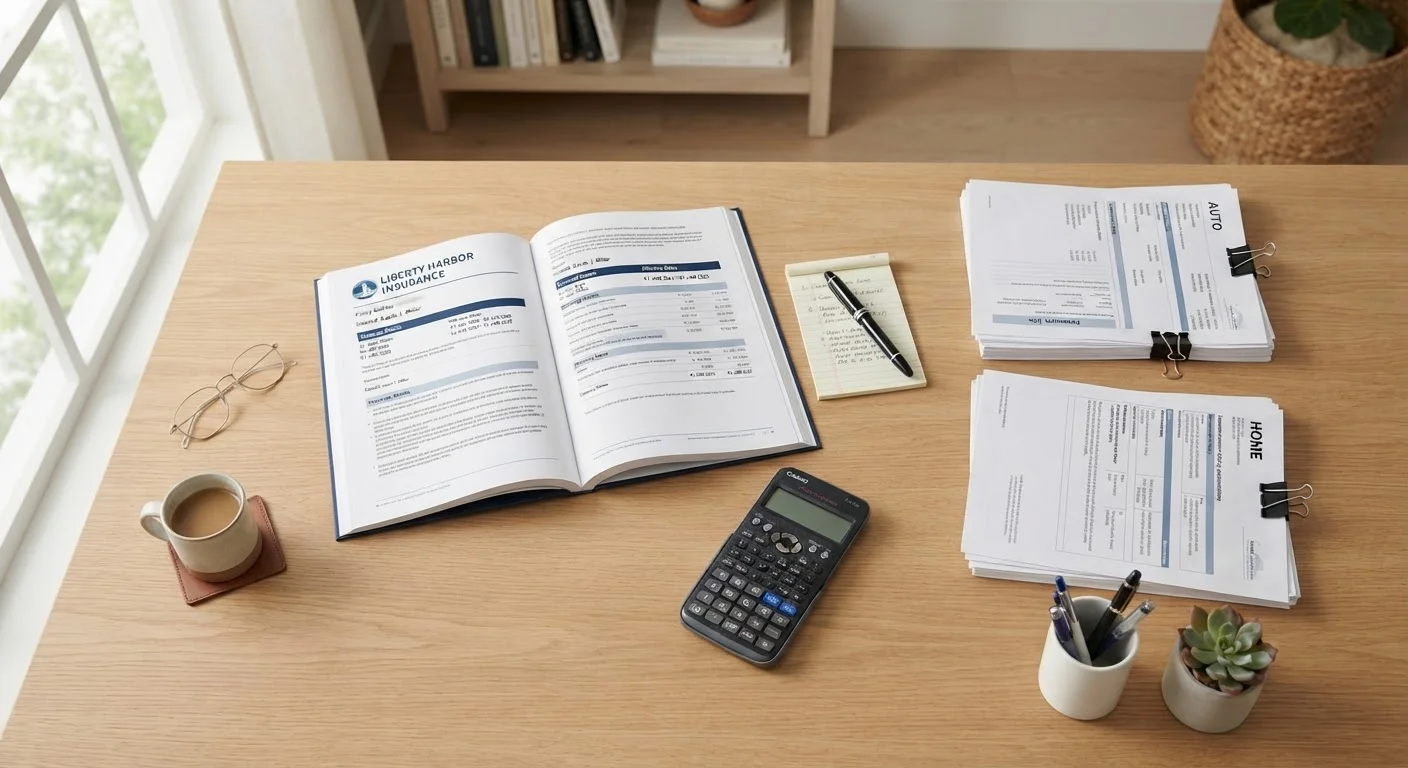
Before working through the checklist, gather the following tools and materials. Having everything in one place prevents the back-and-forth that slows most claims down.
Your Insurance Policy Document
The primary source for coverage details, exclusions, deductibles, and claims procedures specific to your policy.
Smartphone or Camera
Used to photograph and video all damage before any cleanup or temporary repairs begin.
Claims Journal or Notebook
A dedicated log for recording all insurer communications, adjuster visits, and submission dates.
Cloud Storage or Secure File Folder
Stores digital copies of photos, receipts, forms, and correspondence so nothing is lost.
Home Inventory or Asset Records
Pre-existing records of owned property and their values, which significantly speed up the documentation process.
Licensed Public Adjuster (for large or disputed claims)
An independent professional who represents the policyholder's interests in assessing and negotiating a claim settlement.
The Pre-Submission Checklist
Work through each group in order. Items marked must are non-negotiable for most claim types. Should items are strongly recommended, and nice-to-have items can strengthen your position if a claim becomes disputed.
Review Your Policy First
Understand Your Deadlines
Document the Loss Thoroughly
Prepare the Claim Submission
If your claim involves a significant amount or a complex loss, consider consulting a licensed public adjuster or attorney before submitting. Their role is to represent your interests - separate from the insurer's own adjuster.
Once your claim is active, the same habits that protect you before filing - organized records, written communication, prompt responses - apply throughout the process. For a broader view of how insurance works from policy selection to claims, our complete guide to understanding and choosing insurance coverage covers each stage in detail.
Don't Make Permanent Repairs Before Inspection
Making permanent repairs before your insurer has inspected the damage may reduce or void your claim. Take reasonable steps to prevent further loss - covering a broken window, for example - but document everything and keep all damaged materials until the adjuster has signed off.
Weigh the Cost of Filing Against Your Deductible
Filing a claim for a loss that is only modestly above your deductible may result in a premium increase at renewal that exceeds the payout you receive. Consider consulting your agent to understand the potential long-term cost before submitting smaller claims.
This article is for general informational purposes only and does not constitute personalized insurance, financial, or legal advice. Coverage terms, claim procedures, and deadlines vary by insurer, policy type, and state. Always review your own policy documents and consult a licensed insurance professional for guidance specific to your situation.
The content on this site is for informational purposes only and is not a substitute for professional advice. Always consult a qualified professional for guidance specific to your situation.