

Summary
22 items · 25–45 minutes
Why Morocco Requires More Preparation Than Most Destinations
Morocco sits at the intersection of Arab, Berber, African, and European influences — and that richness is part of what draws travelers. But it also means the destination operates on different rhythms, customs, and logistics than most Western travelers anticipate. Common arrival-day surprises include medina navigation that GPS handles poorly, misunderstood dress expectations, and currency restrictions that catch people off guard at the airport exchange desk.
This checklist is designed to help you verify the essentials before departure. Think of it as a structured way to surface the gaps in your preparation — not to overwhelm, but to help you arrive ready. For a broader pre-trip framework, see our pre-trip checklist for every kind of traveller.
Entry Requirements
Currency and Finances
Culture and Social Norms
Climate and Packing
Connectivity and Navigation
Tools and Resources to Help You Prepare
Before working through the checklist, gather the resources below. Having these on hand will let you verify information directly rather than relying on secondhand summaries that may be outdated.
Your Government's Official Travel Advisory Site
Use this to verify current entry requirements, visa rules, and any active safety advisories for Morocco — not third-party aggregators.
Morocco Tourism Authority Website
Provides destination overviews, regional climate information, and cultural context directly from the national tourism body.
Offline Maps App (e.g. Maps.me or Google Maps Offline)
Download city maps before departure — medina navigation is significantly harder without reliable offline access.
Currency Exchange Rate Tool
Check the current MAD exchange rate before arrival so you can assess whether airport exchange booths are offering fair rates.
Travel Insurance Provider
Confirm your policy covers Morocco, including medical evacuation — healthcare infrastructure varies significantly outside major cities.
One note on budgeting: Morocco is often described as affordable, but travelers consistently underestimate specific costs — guide fees, riad transfers, and tipping norms among them. Our article on trip costs that catch travelers off guard covers these gaps in detail.
Key Considerations: Entry, Culture, and Climate
Morocco's entry requirements are relatively straightforward for many nationalities, but the details matter. Passport validity requirements, proof of onward travel, and accommodation documentation are all things border officers may ask about. Visa rules are also more nuanced than a quick internet search suggests — our guide on how travelers misread visa requirements explains the common assumptions that lead to problems.
Non-Muslim Visitors and Mosque Access
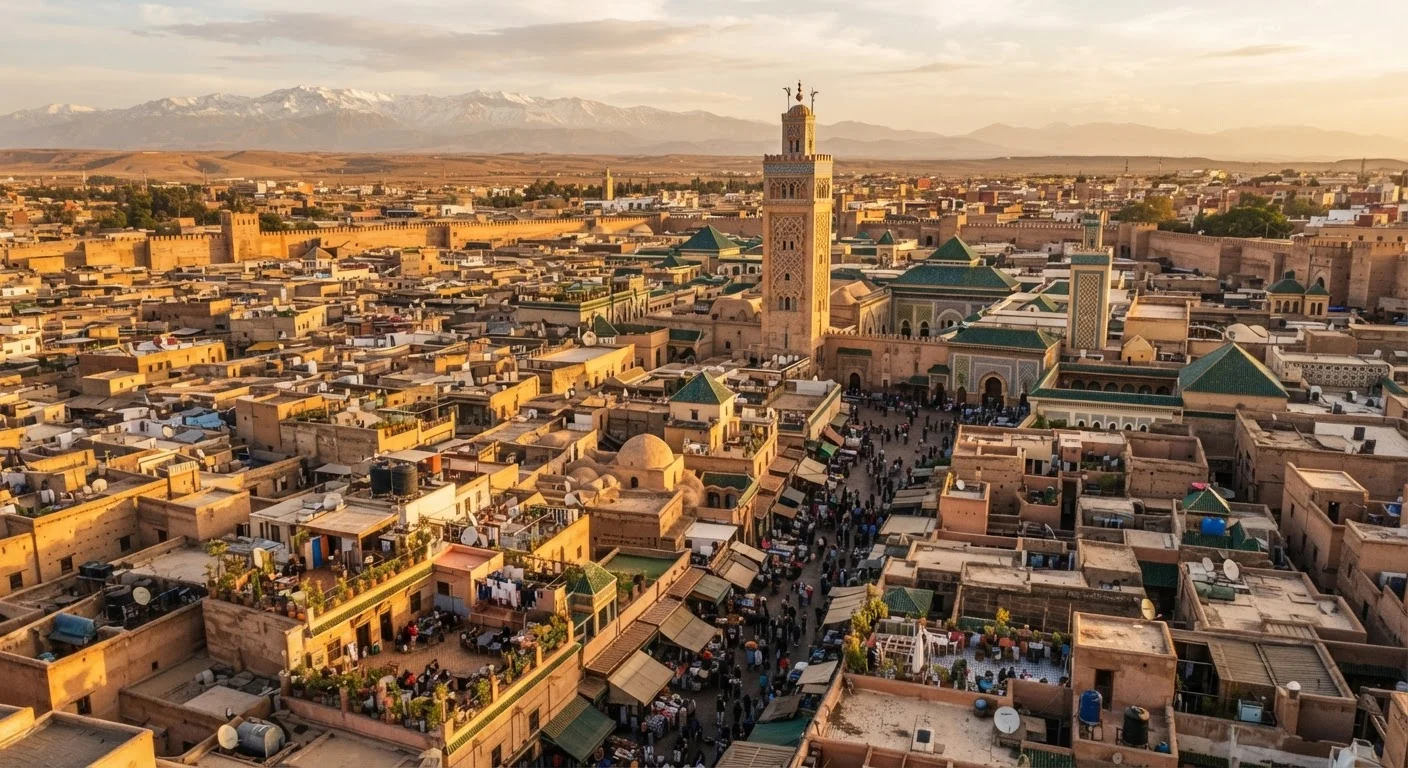
The vast majority of Morocco's mosques are not open to non-Muslim visitors, including the famous Koutoubia Mosque in Marrakech. The Hassan II Mosque in Casablanca is one of the few exceptions and offers guided tours. Research access rules before building mosque visits into your itinerary to avoid disappointment.
Guide Scams in Major Medinas
Unofficial 'guides' in Fes and Marrakech medinas sometimes approach tourists claiming to help them find their destination, then demand payment or steer them into specific shops. Official licensed guides can be arranged through your accommodation or through registered tourism operators. Being polite but firm with unsolicited assistance is a skill worth practicing before you arrive.
Culturally, Morocco is a Muslim-majority country and public behavior norms reflect that. Outside of beach resorts, clothing covering shoulders and knees is standard expectation — not just preference — especially in medinas and rural areas. Ramadan significantly affects restaurant hours, alcohol availability, and daytime atmosphere; if your trip overlaps, factor that into your plans.
Climate-wise, Morocco is more varied than most travelers expect. Marrakech and the Sahara can exceed 100°F in summer. The Atlas Mountains can be cold year-round at altitude. Coastal cities like Essaouira are mild but reliably windy. No single packing list fits all of Morocco — plan by region and season.
For first-time international travelers who want a broader orientation to the practical surprises of international travel, things first-time international travelers wish they'd known is worth reading alongside this checklist.
The content on this site is for informational purposes only and is not a substitute for professional advice. Always consult a qualified professional for guidance specific to your situation.