

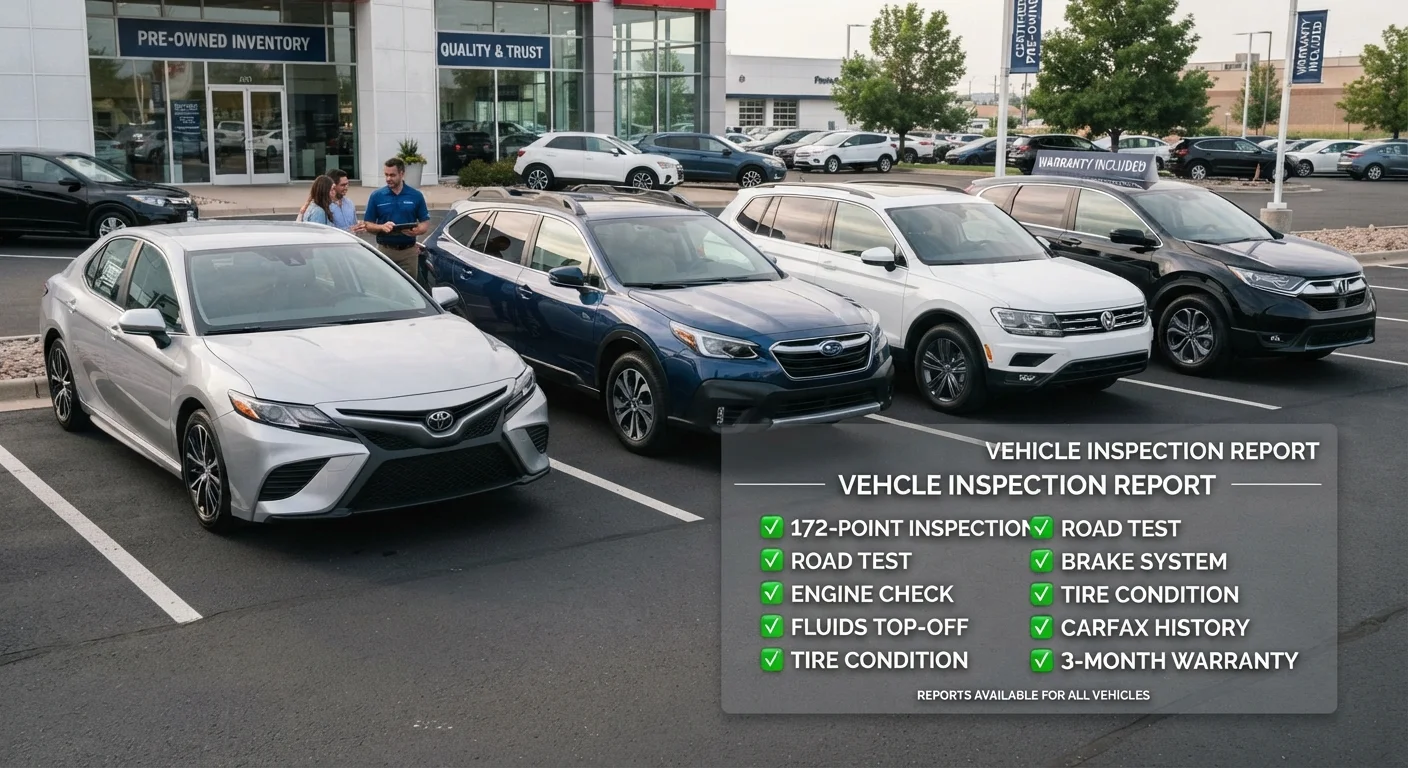
Two Very Different Programmes Share One Label
When a salesperson says a vehicle is "certified," that word can mean substantially different things depending on who's doing the certifying. There are two broad categories: manufacturer-backed CPO programmes and dealer-certified programmes.
Manufacturer-backed programmes - offered by automakers through their franchised dealers - follow centrally defined standards. The automaker dictates which vehicles qualify (typically based on age and mileage limits), what the inspection must cover, and what the warranty provides. That warranty is backed by the manufacturer itself, not just the dealer.
Dealer-certified programmes are created and enforced by individual dealerships. The inspection criteria, warranty terms, and reconditioning standards are set by the dealer. There's no independent oversight or manufacturer guarantee behind the label. This distinction matters enormously when comparing value and risk.
If you're evaluating a CPO vehicle, ask directly: Is this a manufacturer-backed programme or a dealer programme? Then ask to see the written programme documentation - not a brochure, but the actual terms. For a broader comparison of what you're giving up or gaining relative to buying new, see our breakdown of new vs. used vehicle differences.
What the Inspection Actually Covers
CPO inspection checklists are often marketed with impressive-sounding point counts - "172-point inspection" is a common claim. The number itself, however, doesn't guarantee depth or rigour. Some programmes count checking each individual tire as a separate inspection point. Others require documented test results for mechanical systems.
Generally, manufacturer-backed CPO inspections cover:
- Powertrain components - engine, transmission, drivetrain
- Brakes and suspension - measurements, condition, and wear thresholds
- Electrical systems - lights, windows, HVAC, infotainment
- Safety systems - airbags, seatbelts, warning systems
- Interior and exterior condition - within defined cosmetic standards
What inspections typically don't include: a full independent mechanical evaluation by a third party, emissions testing beyond basic readiness, or a forensic review of prior repair work. Cosmetic thresholds also vary - some programmes accept minor dents or scratches below a certain size without requiring repair.
Still Worth Getting an Independent Inspection
Even when a vehicle carries a manufacturer-backed CPO designation, arranging an independent pre-purchase inspection is a reasonable step. The CPO inspection is conducted by the selling dealer, so an outside mechanic's review provides an unbiased second opinion. It's a modest upfront cost that can surface issues before you commit.
Even after a CPO inspection, requesting a vehicle history report (such as from Carfax or AutoCheck) and, ideally, an independent pre-purchase inspection is reasonable. Our guide on what a pre-purchase inspection covers explains what an independent mechanic typically reviews.
Understanding CPO Warranty Coverage
Warranty structure is where CPO programmes offer genuine value - and where the fine print matters most. A typical manufacturer-backed CPO warranty works in layers:
- Remaining factory coverage: If the original new-car warranty hasn't expired, it transfers to the CPO buyer.
- Extended powertrain warranty: Most programmes add coverage for the engine, transmission, and drivetrain beyond the original factory period - commonly for an additional year or more, or up to a defined mileage threshold.
- Limited comprehensive warranty: Some programmes also include a shorter-term bumper-to-bumper extension covering a broader range of components.
What's typically excluded: wear-and-tear items (brake pads, tires, filters), cosmetic damage not corrected during reconditioning, and any modifications made by prior owners. Coverage also generally doesn't apply to damage caused by accidents, misuse, or failure to maintain the vehicle properly after purchase.
Deductibles can apply per visit or per repair, depending on the programme. Understand the deductible structure before purchase - it affects the real cost of claiming on the warranty. For a clear look at the contractual terms you'll sign, see our guide to car purchase agreement terminology.
~2.7M
CPO vehicles sold in the US annually
CPO sales volumes in the US have consistently reached multi-million unit levels annually, reflecting broad consumer interest in structured used-car assurances.
100-200+
Inspection points across CPO programmes
The range of inspection checkpoints varies significantly between manufacturers, with some flagship programmes exceeding 200 documented points.
$1,000-$3,000+
Typical CPO price premium over comparable used vehicles
Industry observers note CPO vehicles commonly carry a meaningful price premium, which should be weighed against the warranty and reconditioning value provided.
What CPO Status Cannot Guarantee
The CPO label is a structured starting point, not a guarantee of a problem-free vehicle. Several important limitations apply regardless of programme quality:
- Accident history: Many programmes permit vehicles with repaired prior damage. Ask specifically about structural damage history and cross-reference any vehicle history reports provided.
- Undisclosed issues: If a prior owner's maintenance records are incomplete, or if a problem existed below inspection thresholds, the CPO process may not surface it.
- Reconditioning quality: Repairs required to meet CPO standards are performed at the dealership - quality can vary. Ask what was repaired or replaced and request documentation.
- Future reliability: CPO status reflects condition at the time of inspection. It does not predict future reliability.
This is why even CPO buyers benefit from running through a structured due-diligence process. Our pre-purchase checklist for used car buyers applies equally to CPO vehicles and covers paperwork, mechanical checks, and title verification.
CPO Programmes Change Over Time
Manufacturers periodically revise their CPO programme terms, including eligibility criteria, inspection standards, and warranty lengths. Always request current, written programme documentation from the dealer and verify terms directly with the manufacturer if you have questions. Don't rely solely on a verbal summary from the sales team.
This article is for informational purposes only. CPO programme terms, warranty coverage, and eligibility requirements vary by manufacturer and are subject to change. Always review the official programme documentation and consult with the selling dealer before making a purchase decision.
Frequently Asked Questions
Not exactly. A CPO vehicle follows a structured programme with defined inspection standards, eligibility criteria, and warranty terms. A dealer simply attaching a warranty to any used car doesn't make it CPO. Manufacturer-backed CPO programmes carry more rigorous and enforceable standards than dealer-defined ones.
Independent inspections are still valuable even for CPO vehicles. The CPO inspection is conducted by the selling dealer, which creates an inherent conflict of interest. An independent mechanic's review can surface issues the CPO process may have missed or not addressed.
Wear-and-tear items like brake pads, tires, wiper blades, and filters are usually excluded. Cosmetic issues, pre-existing damage not corrected during reconditioning, and modifications made by previous owners are also commonly outside CPO warranty coverage.
Yes. Many CPO programmes allow vehicles with repaired prior damage, provided the repairs meet certain quality thresholds. Some programmes specifically exclude vehicles with significant structural damage, but policies differ - always request the vehicle history report and ask directly about prior accidents.
Manufacturer-backed CPO warranties are generally honoured at any franchised dealership carrying that brand across the country. Dealer-certified programmes may restrict warranty service to the selling dealer only, which is worth clarifying before purchase.
Some manufacturers offer promotional financing rates on CPO vehicles through their captive finance arms, though these programmes change periodically and are not always available. Financing terms are separate from the CPO designation itself and should be evaluated independently.
The content on this site is for informational purposes only and is not a substitute for professional advice. Always consult a qualified professional for guidance specific to your situation.