

Why Resale Value Matters Before You Buy
Resale value is rarely top of mind when you're signing paperwork on a new vehicle, but it quietly shapes the true cost of ownership over time. A car that loses value quickly costs you more per year driven - even if the sticker price seemed reasonable at purchase. Understanding what drives depreciation helps you make a smarter buy upfront and protect what you've invested.
Unlike fuel economy or cargo space, resale value isn't a single number - it's the outcome of several overlapping factors, some tied to how you use and maintain the vehicle, others driven by market forces entirely outside your control. The list below breaks down the most significant of these factors so you can weigh them clearly, whether you're shopping now or planning to sell later.
Track Records From Day One
Start a simple folder - digital or physical - for every service receipt from the day you take ownership. This habit costs nothing and makes a measurable difference when it's time to sell. Buyers and appraisers respond well to organized records because they reduce the perceived risk of purchasing.
The Factors That Matter Most
Mileage Relative to Vehicle Age
Odometer readings remain one of the first things used-car buyers and appraisers check. High annual mileage - generally considered above 15,000 miles per year - signals more wear on drivetrain components, brakes, and suspension, which translates into lower offers. The flip side is a low-mileage vehicle of the same age can command a meaningful premium, sometimes exceeding standard depreciation tables.
That said, mileage alone doesn't tell the full story. A 90,000-mile vehicle with complete service records and a clean inspection may hold value better than a 50,000-mile one with a gap-filled history. Buyers increasingly look at both numbers together.
Mileage is most useful when read alongside service history, not in isolation.
Documented Maintenance History
A well-kept paper trail - oil change receipts, timing belt replacements, tire rotations - removes guesswork for buyers and gives them concrete evidence that the vehicle was cared for. Vehicles with complete records consistently attract more interest and tend to sell closer to asking price than identical models without documentation.
This is an area where owners have direct control. Keeping digital copies of every service visit, whether at a dealership or independent shop, is a low-effort habit that pays off at resale time. See our car maintenance hub for practical guidance on which services are most important to track.
Complete service records remove buyer uncertainty and support stronger asking prices.
Accident and Title History
A reported accident - even a minor one repaired to factory standards - typically reduces a vehicle's resale value. Third-party vehicle history reports flag these events, and buyers can access them easily. Structural damage is treated more seriously than cosmetic incidents, but any blemish on a history report gives buyers negotiating leverage.
Title status matters just as much. Salvage, rebuilt, or flood titles dramatically reduce market value and limit financing options for buyers, which shrinks the pool of potential purchasers significantly.
Accident history on a vehicle report gives buyers leverage, regardless of repair quality.
Color and Exterior Condition
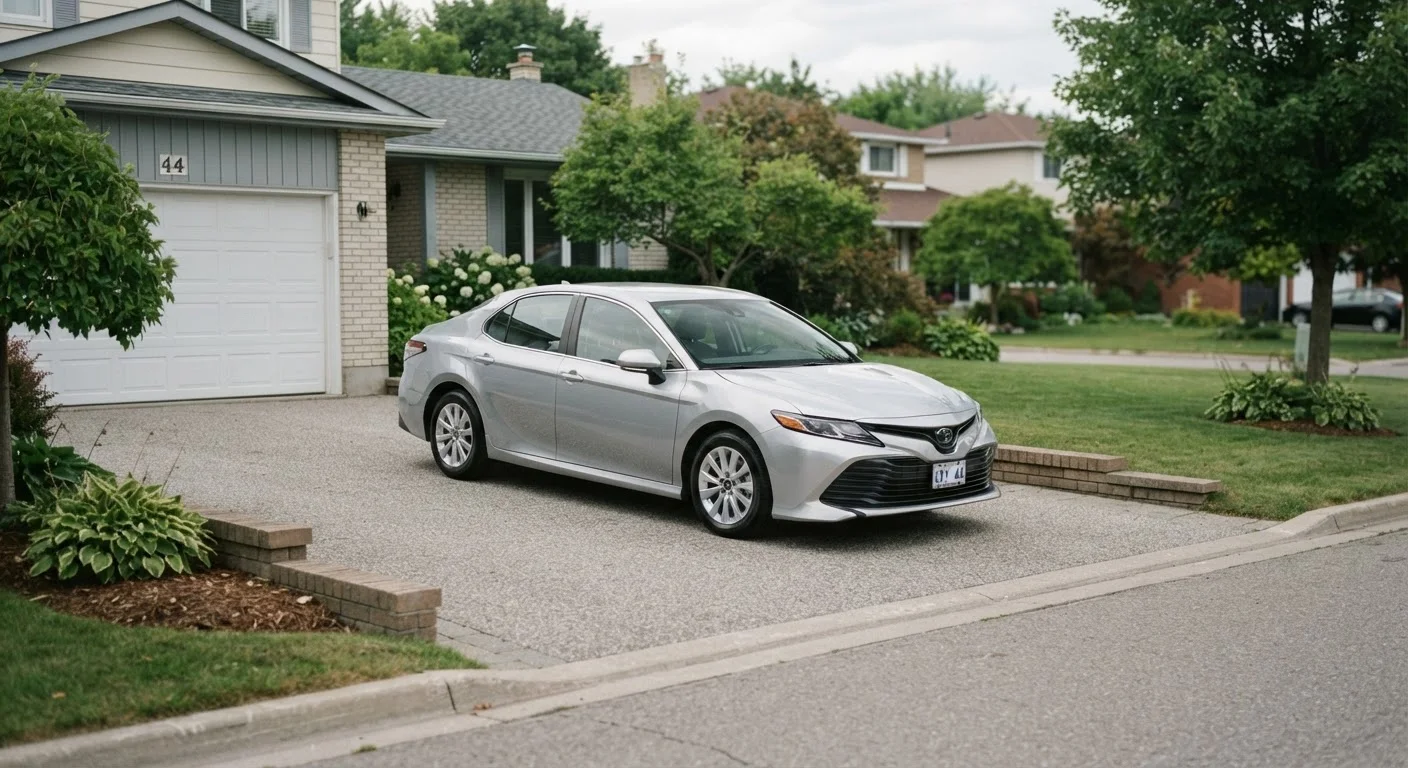
Color affects resale more than many owners expect. Neutral tones - whites, silvers, grays, and blacks - tend to appeal to the broadest pool of buyers and hold value more reliably in most US markets. Unusual or bold colors may suit your taste but can limit demand at resale, especially in regions where certain preferences are strong.
Exterior condition beyond paint also matters: dents, chips, and scratched bumpers signal neglect even when the mechanical condition is sound. Buyers often use visible wear as a proxy for how carefully an owner maintained the rest of the vehicle.
Neutral colors and clean exteriors widen buyer appeal and protect resale value.
Drivetrain Configuration and Features
All-wheel drive (AWD) and four-wheel drive (4WD) vehicles often hold value better in markets with significant winter weather or rural terrain, where buyers actively seek out those capabilities. The same configuration may offer less of a premium in mild-climate urban markets where it adds cost without clear benefit to most buyers.
Technology features follow a similar regional and demographic logic. Advanced safety systems, updated infotainment, and fuel-efficient powertrains can support stronger resale, though rapidly evolving tech also dates vehicles quickly. A feature that felt premium at purchase may feel standard - or outdated - just a few years later.
Drivetrain value is market-specific - AWD commands a premium where buyers actually need it.
Brand Reputation and Segment Demand
Some vehicle segments and manufacturers have historically depreciated more slowly than others, based on long-term reliability data, brand perception, and consistent consumer demand. Trucks and SUVs, for instance, have maintained stronger residual values in the US compared to many sedans over the past decade - though this reflects market trends, not a guarantee of future performance.
It's worth noting that demand can shift. Fuel price spikes, economic downturns, or changing consumer preferences can alter which segments hold value best. This is one factor you can research before purchasing but cannot fully predict or control over the ownership period.
Segment demand shapes depreciation curves - and those trends can shift with fuel prices or economic conditions.
If you're purchasing a used vehicle and want to understand how these factors have played out already, a pre-purchase inspection by a qualified mechanic is a reliable way to assess condition beyond what's visible. Our guide to evaluating a vehicle beyond the test drive feel covers the mechanical and feature checks worth running through before committing.
Putting It Together When You Buy or Sell
Resale value works in both directions. If you're buying used, the same factors that hurt a seller's price can benefit you as a buyer - provided you've done your homework on condition and history. If you're selling, documentation and presentation matter more than most owners expect. A complete service record, clean title, and honest disclosure go a long way toward buyer confidence.
For a broader look at how depreciation, warranties, and financing interact across new and used vehicles, see our comparison of what actually changes beyond price between new and used cars. And if your current vehicle is aging and you want to keep it competitive in resale condition, the guidance on keeping a high-mileage car on the road without expensive surprises covers the maintenance priorities that shift as vehicles accumulate miles.
This article is for general informational purposes only. Resale values vary widely based on region, market conditions, and individual vehicle history. Consult automotive valuation resources and qualified professionals before making buying or selling decisions.
The content on this site is for informational purposes only and is not a substitute for professional advice. Always consult a qualified professional for guidance specific to your situation.