

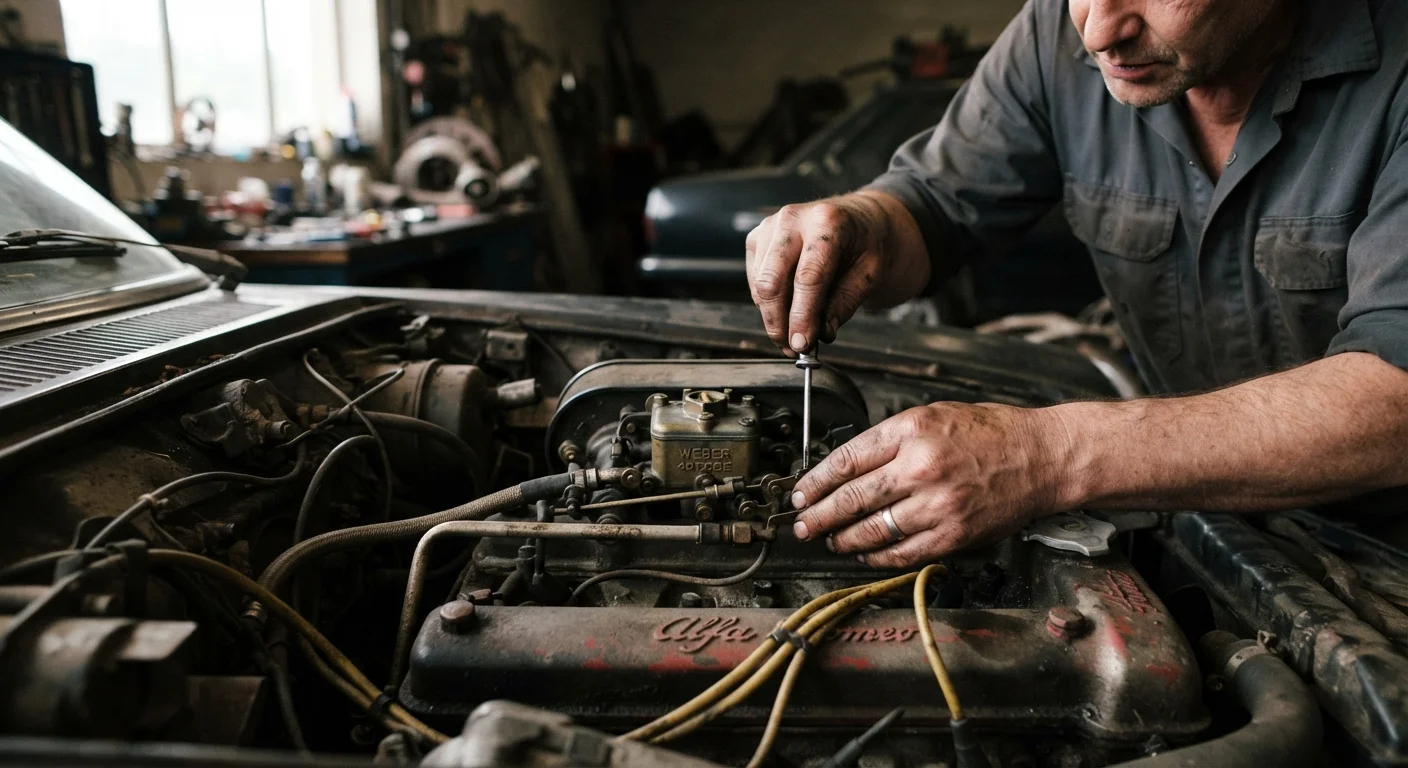
Why High-Mileage Cars Need a Different Mindset
Crossing 100,000 miles doesn't automatically mean a car is in decline, but it does mean the maintenance calculus changes. Components that operated within comfortable tolerances at 40,000 miles are now working against years of heat cycles, vibration, and fluid contamination. The risks shift from wear-in problems to wear-out problems - and they tend to cluster.
The good news: most expensive surprises on high-mileage vehicles are predictable. They follow patterns that mechanics see repeatedly. Understanding those patterns lets you act on a schedule rather than waiting for a breakdown. That shift in approach - from reactive to anticipatory - is the core difference between a car that reliably reaches 200,000 miles and one that strands its owner.
It also helps to separate age-related deterioration from mileage-related deterioration. A 12-year-old car with 70,000 miles may have more rubber degradation and corrosion risk than a 7-year-old car with 120,000 miles. Both dimensions matter, and so does how the vehicle was driven - short city trips are harder on engines than highway miles. Understanding your manufacturer's service schedule helps clarify which intervals apply to your specific situation.
Seals, Gaskets, and the Leak Problem
Rubber and cork seals are among the first components to quietly deteriorate on older vehicles. Valve cover gaskets, oil pan gaskets, rear main seals, and transmission seals all harden and crack over time, allowing slow drips that go unnoticed until oil or fluid levels drop enough to cause damage.
The practical check is simple: park on a clean, light-colored surface and look underneath after the car has sat overnight. A small oil spot under the engine is worth investigating promptly. A larger, spreading stain - or fluid appearing under the transmission or differential - warrants immediate attention from a mechanic. Each fluid under the hood serves a distinct function, and losing any of them degrades protection rapidly.
Head gaskets deserve special mention. A failing head gasket - the seal between the engine block and cylinder head - can allow coolant into the combustion chamber or oil passages. Signs include white exhaust smoke, a sweet smell from the exhaust, milky oil on the dipstick, or an unexplained drop in coolant level. Head gasket replacement is among the more involved engine jobs; catching the early warning signs avoids a much larger repair bill.
When buying a used high-mileage vehicle, ask specifically whether the timing belt has been replaced and get it in writing. If the seller doesn't know, budget for the service immediately - the cost of replacing a belt is far lower than rebuilding an engine after one snaps.
Timing belt failure is one of the most common sources of catastrophic engine damage on interference engines, and its replacement is frequently undocumented even when completed.
On vehicles past 100,000 miles, switch to a full synthetic oil if you haven't already and check the level every 1,000 miles until you establish your car's consumption pattern. Catching a half-quart low before it becomes two quarts low prevents accelerated wear.
Older engines often develop minor consumption through worn rings or valve seals; synthetic oils maintain viscosity better under thermal stress, providing more consistent protection between changes.
Have your cooling system pressure-tested rather than just visually inspected - small leaks in hoses, the radiator, or the heater core often aren't visible until the system is pressurized.
Pressure testing reveals leaks that a standard visual inspection misses, allowing repairs before coolant loss reaches the level that causes overheating.
Cooling System: The Most Common Source of Expensive Failures
Overheating is the fastest way to turn a manageable repair into an engine replacement. On high-mileage vehicles, the cooling system deserves priority attention because its components - hoses, the radiator, the thermostat, the water pump, and the coolant itself - all degrade on different timelines and can fail without dramatic warning.
Coolant (antifreeze) doesn't last forever. Over time it becomes acidic, which accelerates corrosion inside aluminum radiators and engine passages. Most manufacturers specify a coolant flush at defined intervals; on older cars that may have missed services, having the coolant tested and replaced is a worthwhile baseline step. Coolant flushes are among the most skipped services on older vehicles, yet their impact is measurable.
Radiator hoses should be squeezed when the engine is cold - a hose that feels brittle, very soft, or shows surface cracking is close to failure. The thermostat is inexpensive and relatively simple to replace; if your engine is slow to reach operating temperature or runs warmer than usual, it's worth having the thermostat checked. The water pump on many engines is driven by the same belt as the camshaft (the timing belt), meaning it makes sense to replace both at the same service.
If your temperature gauge rises above its normal range even briefly, stop driving and have the system inspected before continuing. Running an engine hot for even a short distance can warp cylinder heads - turning a cooling system repair into an engine rebuild.
Never Ignore a Rising Temperature Gauge
If your engine temperature gauge climbs above its normal operating range, pull over safely as soon as possible and turn the engine off. Continuing to drive even a short distance while overheating can warp or crack the cylinder head - turning a cooling system repair costing hundreds of dollars into an engine repair costing thousands. Do not open the radiator cap while the engine is hot; wait for it to cool fully before investigating, or have the vehicle towed to a mechanic.
Sensors and Electronics on Aging Vehicles
Modern vehicles rely on a network of sensors to manage fuel delivery, ignition timing, emissions, and transmission behavior. On high-mileage cars, these sensors accumulate deposits, suffer wiring degradation, and begin to deliver inaccurate readings - often without triggering a warning light immediately.
The oxygen sensors (O2 sensors) are a common culprit. They measure exhaust composition and help the engine management system fine-tune the fuel-air mixture. A sluggish or failed O2 sensor can reduce fuel economy noticeably and, over time, damage the catalytic converter - an expensive component. Most manufacturers recommend replacing O2 sensors at defined mileage intervals; many drivers skip this until the check engine light appears.
The mass airflow (MAF) sensor, crankshaft position sensor, and coolant temperature sensor are others that degrade on older vehicles. Understanding what your dashboard warning lights actually mean helps you identify when a sensor-related code warrants urgent action versus a scheduled fix. A mechanic with a diagnostic scanner can read fault codes even when no warning light is currently active - useful for catching marginal sensors before they fail completely.
Fluids, Filters, and Timing Belts
Fluid discipline becomes more important, not less, as a vehicle ages. Engine oil in particular should be checked more frequently - small leaks and higher oil consumption are normal in older engines, and running low accelerates internal wear. Many experienced mechanics recommend checking oil level every second or third fill-up on vehicles past 100,000 miles rather than waiting for a service interval.
Transmission fluid is often overlooked. Automatic transmissions that have never had their fluid changed can develop shift hesitation and, eventually, internal damage. If the fluid is very dark or smells burnt, have a transmission specialist assess it before deciding whether a fluid change alone is appropriate - in some cases, a late fluid change on a neglected transmission can disturb accumulated deposits. The trade-offs between routine care and reactive repairs are especially stark with transmission work.
The timing belt - found on many four-cylinder and V6 engines - is a critical component with a defined replacement interval, typically in the range of 60,000 to 105,000 miles depending on the manufacturer. If a timing belt breaks while driving, the resulting engine damage is severe and often uneconomical to repair. Check your owner's manual or consult your service schedule to confirm when this interval falls. Some engines use a timing chain instead, which generally lasts longer but is not maintenance-free.
Cabin and engine air filters, spark plugs, and brake fluid are further items that compound in importance on older vehicles. See our seasonal maintenance checklist for a structured way to track these across the year.
Building a Sustainable Maintenance Routine
The most reliable high-mileage vehicles tend to have one thing in common: consistent, documented service history. Records don't just help mechanics diagnose problems faster - they give you visibility into what has been done and what is coming due. A clear paper trail matters more than most drivers realize, both for ongoing reliability and eventual resale.
A practical approach for older vehicles is to schedule a comprehensive inspection annually or every 15,000 miles - whichever comes first - specifically looking at the items that age poorly: hoses, belts, seals, suspension bushings, and brake hardware. This is separate from the routine oil and filter service, and it gives a mechanic time to flag developing issues before they become failures.
It's also worth understanding what common maintenance myths may be shaping your habits. Some tasks drivers perform out of habit aren't necessary at their current frequency; others that are skipped are genuinely important. Directing spending toward evidence-based maintenance - rather than habit or anxiety - is the most cost-effective approach for keeping a high-mileage car on the road.
No maintenance plan eliminates all risk, but a structured approach dramatically narrows the range of possible surprises. The goal isn't a perfect car - it's a predictable one.
The content on this site is for informational purposes only and is not a substitute for professional advice. Always consult a qualified professional for guidance specific to your situation.