

Why Brakes Are the Maintenance Task Drivers Keep Putting Off
Brake problems rarely announce themselves dramatically. There's no sudden warning light that's hard to ignore, no smoke, no engine stall. Instead, you get a faint squeal, a slightly longer stopping distance, or a subtle vibration - all easy to chalk up to road noise or a wet morning. That gradual onset is exactly why brake maintenance gets delayed more than almost any other service.
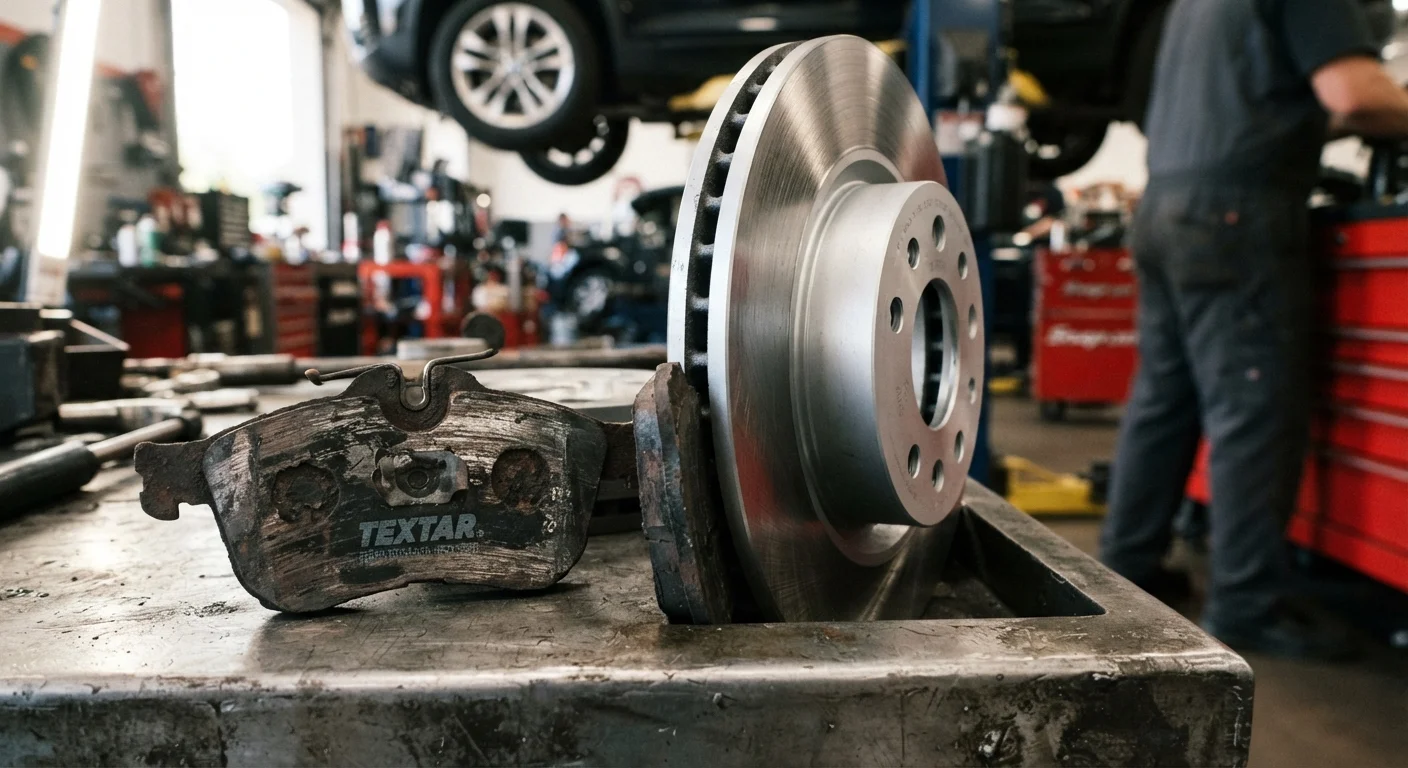
The financial logic seems reasonable at first: if the car still stops, why spend money today? But brakes are one of the clearest examples of a system where delay multiplies cost. A worn brake pad replaced at the right time is a straightforward job. The same pad ground down to bare metal becomes a rotor-damage event that can cost three to five times more to fix. For a broader look at how deferred maintenance compounds across a vehicle's life, see how routine care compares to reactive repairs.
The Most Common Mistakes Drivers Make with Brake Maintenance
Understanding why these errors happen is the first step toward avoiding them. Each mistake below follows the same pattern: a small, correctable issue is rationalized away until it becomes a larger, costlier one.
Dismissing the brake squeal as a temporary or weather-related noise.
Why it happens: Brakes do sometimes squeal briefly when wet or cold, so drivers learn to tune out the sound - even when it becomes persistent.
Waiting until braking performance noticeably degrades before taking action.
Why it happens: Stopping distance increases so gradually that drivers recalibrate their following distance without realizing the brakes are the problem.
Replacing only the brake pads without inspecting rotors and calipers.
Why it happens: Pad-only replacement is cheaper upfront, and some shops or drivers focus narrowly on the most visible worn component.
Ignoring a grinding noise because the vehicle still drives normally.
Why it happens: Grinding doesn't always produce an immediate change in vehicle behavior, making it easy to rationalize as a non-urgent noise.
Skipping brake fluid checks during routine maintenance.
Why it happens: Brake fluid is invisible and rarely discussed at oil changes, so most drivers don't know it absorbs moisture over time and degrades.
What Delayed Brake Service Actually Costs
3-5×
Cost multiplier when rotors are damaged by worn pads
Industry repair data consistently shows rotor replacement adds significantly to what would otherwise be a straightforward pad swap.
~25%
Of vehicles inspected have brake issues needing attention
Vehicle inspection programs and mechanic surveys regularly find roughly one in four cars has brake components outside recommended service limits.
The numbers tell a consistent story. Brake pads alone typically run $100-$200 per axle when replaced before they're fully worn. Once metal-on-metal contact damages the rotor, that same axle can cost $300-$600 or more - and that's before factoring in any damage to calipers, which are the hydraulic components that squeeze the pads against the rotor. Caliper replacement adds several hundred dollars more per corner.
Beyond the repair bill, there's the safety dimension. Degraded braking performance increases stopping distances in ways that aren't always obvious to the driver until a near-miss makes it clear. If your vehicle is older and already carrying higher mileage, brake condition becomes even more critical - maintaining a high-mileage car without expensive surprises covers how brake and other wear items shift in priority as vehicles age.
Repair cost estimates are general ranges and vary by vehicle type, region, and service provider. Always obtain a written estimate from a qualified mechanic before authorizing work.
How to Catch Brake Wear Before It Becomes a Crisis
Most modern vehicles include a wear indicator - a small metal tab that contacts the rotor when pads thin out, producing a high-pitched squeal. That sound is a deliberate early-warning signal, not just an annoyance. Acting on it promptly is the single most effective thing most drivers can do to keep brake costs manageable.
Beyond listening, pay attention to how your car feels under braking. A pulsing or vibrating pedal often points to warped rotors. A soft or spongy pedal that travels further than usual before engaging can indicate a hydraulic issue. Any pulling to one side under braking suggests uneven pad wear or a sticking caliper. None of these sensations are normal, and none improve on their own.
Periodic visual checks are also possible on many vehicles without removing the wheel - looking through the wheel spokes, you can often see the pad thickness against the rotor. Less than about a quarter-inch of pad material is a signal to get an inspection. For a wider picture of the maintenance tasks that quietly shorten a vehicle's life, overlooked maintenance tasks is worth reading alongside this guide.
The content on this site is for informational purposes only and is not a substitute for professional advice. Always consult a qualified professional for guidance specific to your situation.