

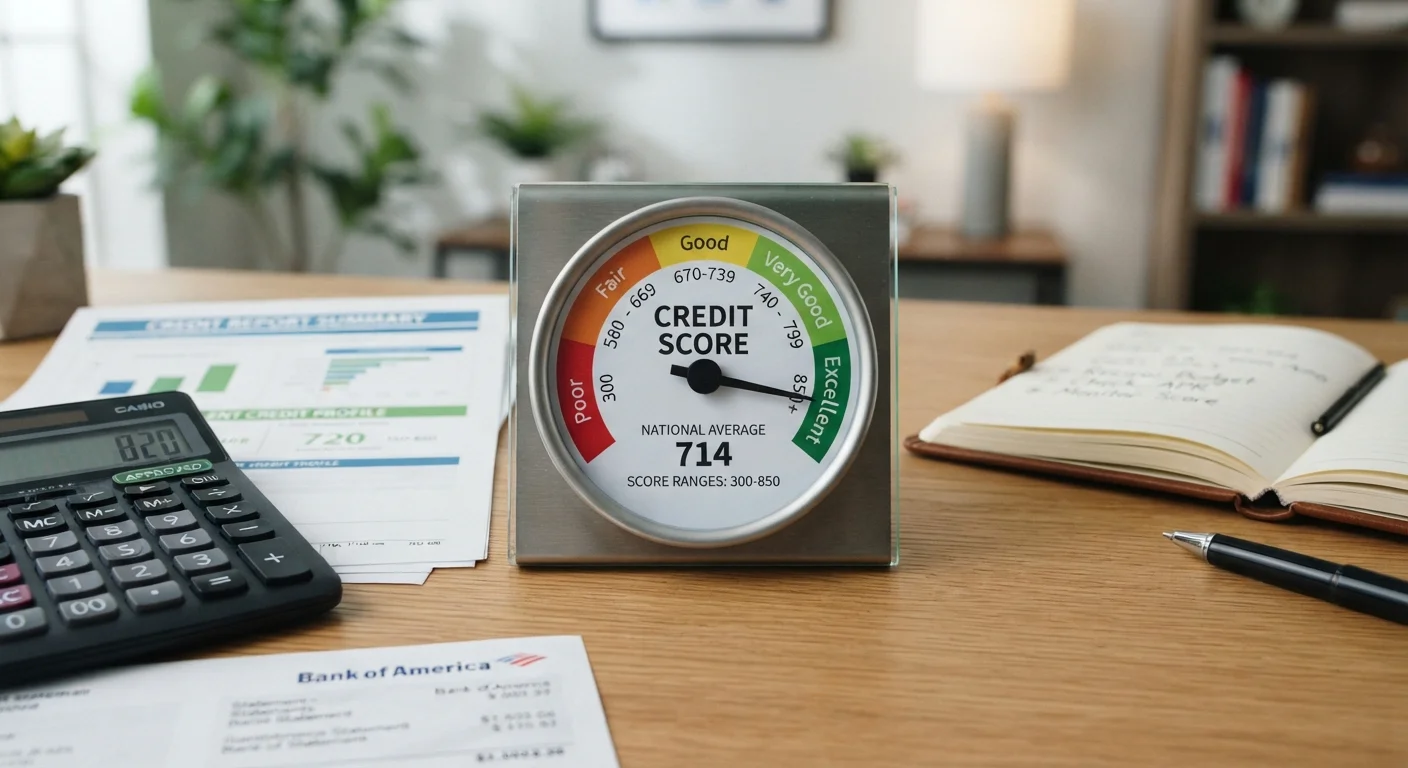
Why Credit Myths Persist
Credit scoring models are complex, and lenders rarely explain exactly how decisions are made. That opacity creates fertile ground for misconceptions - some harmless, others actively damaging to the people who believe them. If you're new to how credit works, our beginner's guide to credit and debt covers the foundations before you dig into the myths below.
The corrections here are based on how the major credit scoring models - including FICO and VantageScore - publicly document their methodologies. Understanding the mechanics helps you make decisions grounded in how the system actually works, not how people assume it does.
Myth
You need to carry a balance on your credit card to build credit.
Fact
Paying your balance in full each month does not hurt your score - it helps you avoid interest charges while still demonstrating responsible use.
This is one of the most persistent and costly credit myths. Scoring models reward on-time payments and low utilization, not the act of carrying debt. When you carry a balance, you're paying interest to the card issuer for no scoring benefit. Paying in full before the due date keeps your utilization low and your payment history clean - both positive signals.
Myth
Closing a credit card you no longer use is always a smart, tidy financial move.
Fact
Closing an old account can increase your credit utilization ratio and reduce the average age of your accounts, both of which may lower your score.
When you close a card, you lose access to that account's credit limit. If you're carrying balances on other cards, your overall utilization - total balances divided by total available credit - rises immediately. Additionally, older accounts contribute to a longer average credit history, which most scoring models treat favorably. Before closing any card, consider the potential score impact, especially if you're planning a major credit application soon. For a deeper look at how utilization works, see our article on credit utilization.
Myth
Checking your own credit score or report will hurt your credit.
Fact
Reviewing your own credit information is classified as a soft inquiry, which has no effect on your score whatsoever.
Hard inquiries - the kind lenders make when you apply for credit - can temporarily affect your score. But soft inquiries, including checking your own report or score, do not. This distinction matters: avoiding self-checks out of fear means missing errors that may be silently dragging your score down. You're entitled to free reports from each of the three major bureaus (Equifax, Experian, and TransUnion) at AnnualCreditReport.com. Our guide on reading your credit report explains what to look for when you do.
Myth
Shopping around for a mortgage or auto loan will generate multiple hard inquiries and significantly damage your score.
Fact
Most scoring models group multiple hard inquiries for the same loan type within a short window - typically 14 to 45 days - and count them as a single inquiry.
Scoring models are designed to distinguish between someone taking on several new credit lines and someone comparison-shopping for a single loan. Rate shopping for a mortgage, auto loan, or student loan is therefore less damaging than many borrowers fear, provided the applications are clustered within the relevant time window. The exact window varies by scoring model version, so it's worth acting efficiently when comparing lenders rather than stretching the process out over several months. For context on how credit fits into a vehicle purchase, see our overview of buying a car.
Myth
A high income guarantees a good credit score.
Fact
Income is not factored into credit scores at all. Scores reflect borrowing and repayment behavior, regardless of how much you earn.
While income may influence a lender's overall decision to extend credit or determine a loan amount, it does not appear in your credit report and plays no direct role in how scoring models calculate your score. Someone with a modest income who pays every bill on time, maintains low balances, and has a long credit history can carry a higher score than a high earner with missed payments and maxed-out cards. Consistent, on-time payments remain the most reliable path to a strong score. Our article on common borrowing pitfalls covers the behavioral mistakes that most often set scores back.
What Actually Moves Your Score
Once the myths are cleared away, a clearer picture emerges: credit scores respond to a consistent set of behaviors over time. Payment history carries the most weight in most scoring models, followed by your credit utilization ratio - how much of your available credit you're currently using. Length of credit history, the mix of account types, and recent new credit inquiries round out the major factors.
35%
Weight of payment history in FICO scoring
According to FICO's published scoring model breakdown, payment history is the single largest factor, making consistent on-time payments the most impactful habit a borrower can build.
30%
Weight of credit utilization in FICO scoring
FICO's publicly documented model weights credit utilization - balances relative to credit limits - as the second most influential factor, underscoring why carrying high balances can suppress scores even with perfect payment history.
1 in 5
Consumer credit reports with errors
A study by the Federal Trade Commission found that approximately one in five consumers had an error on at least one of their three major credit bureau reports, highlighting why regular review matters.
Scores also shift more often than many people realize - sometimes month to month - because the underlying data on your report is updated regularly. For a clear explanation of why those fluctuations happen, see our article on why your credit score keeps changing. And if you've never reviewed your actual credit report, our walkthrough of how to read a credit report is a practical next step - errors on reports are more common than most people expect, and they can quietly suppress a score you're working hard to build.
This article is for general informational purposes only and does not constitute personalized financial or credit advice. Consult a licensed financial professional for guidance specific to your situation.
The content on this site is for informational purposes only and is not a substitute for professional advice. Always consult a qualified professional for guidance specific to your situation.