

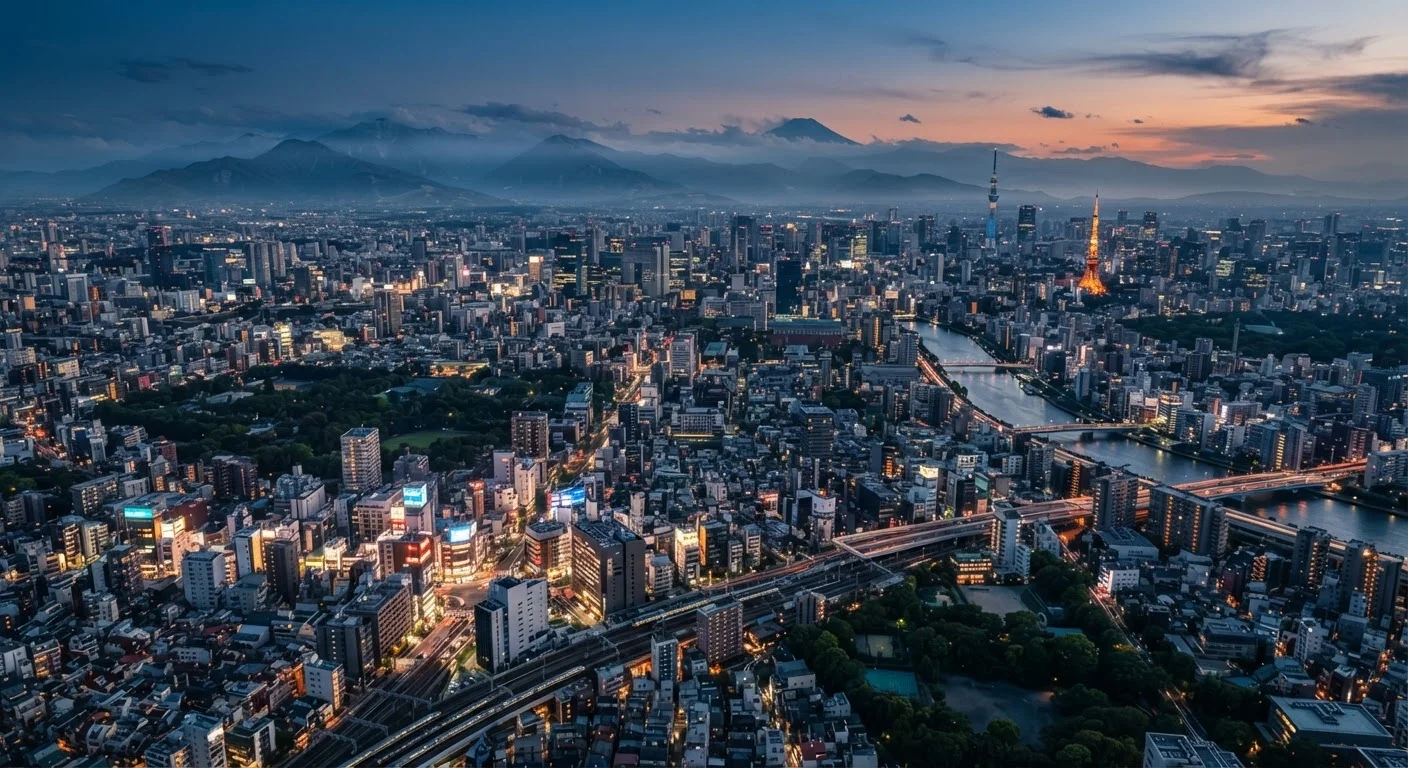
Why Tokyo Rewards Neighbourhood-Level Research
Tokyo resists being treated as a single destination. Its 23 special wards each carry distinct identities — shaped by history, infrastructure, and the communities that built them. Arriving with a generic sightseeing list tends to produce a sprint between landmarks; arriving with an understanding of a few specific areas produces a coherent experience.
The city is also large in ways that matter logistically. End-to-end distances that look manageable on a map can involve multiple train changes and 40-minute journeys. For anyone working through the foundational decisions of a Japan trip, the planning decisions that shape a Japan visit are worth reviewing before settling on a Tokyo-heavy itinerary.
A Practical Map of Tokyo's Key Districts
Rather than cataloguing every neighbourhood, it helps to understand a handful of distinct zones and what kind of visitor each suits.
- Shinjuku — A major transit hub with one of the world's busiest stations. Contains both a dense entertainment district (Kabukicho) and the quietly beautiful Shinjuku Gyoen garden. Suits visitors who want maximum access from a single base.
- Shibuya — Known for its scramble crossing and youth culture. The surrounding area — including Daikanyama and Nakameguro — rewards walkers with independent shops, cafés, and a canal-side atmosphere that differs markedly from central Shibuya's intensity.
- Asakusa — Tokyo's most intact traditional district. The Senso-ji temple precinct, rickshaw routes, and craft shops make it the clearest window into pre-modern Tokyo. Tends to be quieter early morning before tour groups arrive.
- Yanaka — A low-rise neighbourhood that survived wartime damage largely intact. Its cemetery, shotengai (covered shopping street), and craft workshops give a sense of how much of Tokyo once looked. Low tourist infrastructure means fewer English menus but a more local rhythm.
- Akihabara — Electronics and anime subculture converge here in a way that is genuinely unlike anywhere else. Worth visiting whether or not those interests apply — the density and spectacle are distinctive.
Start Your Research at the Neighbourhood Level
Before booking accommodation, identify which two or three areas align most with your interests — food, architecture, nightlife, history — and choose a base accordingly. Tokyo is large enough that staying in the wrong district for your priorities can cost hours of transit time daily. Cross-reference your shortlist against the principles of a well-structured itinerary to avoid over-clustering your days.
Seasons and What They Actually Mean for Visitors
Tokyo is visitable year-round, but each season introduces specific trade-offs.
Spring (late March–May): Cherry blossom season is genuinely spectacular but draws its heaviest crowds. Temperatures are mild and comfortable for walking. This is peak tourism season.
Summer (June–August): Hot and humid, with a rainy season (tsuyu) running roughly June into mid-July. August festivals — including the Sumida River Fireworks — are culturally significant, but heat requires planning shorter outdoor windows.
Autumn (October–November): Widely considered the most comfortable season. Autumn foliage (koyo) peaks across parks and temple gardens. Crowds are substantial but generally more manageable than cherry blossom season.
Winter (December–February): Cold but rarely extreme. Illumination events light up commercial districts throughout December. January and February are among the quietest months for tourism, which can mean shorter queues and more availability.
Seasonal Timing Varies Year to Year
Cherry blossom and autumn foliage peak dates shift by one to two weeks depending on annual weather patterns. Japan Meteorological Corporation publishes annual bloom forecasts, and the Japan Tourism Agency provides up-to-date official guidance. Do not rely solely on historical averages when planning around specific natural events.
Getting Around: Transit Without the Guesswork
Tokyo's rail network involves multiple operators — JR, Tokyo Metro, Toei — running overlapping lines across the city. The system works efficiently once understood, but first-time visitors often underestimate interchange complexity at major stations like Shinjuku, Shibuya, and Tokyo Station.
IC cards (rechargeable transit cards such as Suica or Pasmo) work across almost every rail and bus line in the city and remove the need to purchase individual tickets. They also work at many convenience stores and vending machines. Picking one up on arrival is straightforward and widely recommended by transit authorities.
Rail passes: Whether a Japan Rail Pass makes financial sense depends on your itinerary. For a Tokyo-only visit, a pass typically offers less value than city-based IC card travel. See the Japan trip planning overview for more on how to evaluate this decision.
Use Tokyo's train line colour-coding as your primary navigation anchor, not street addresses. Station names and line colours will orient you far faster than map grids.
Tokyo's address system is non-sequential and difficult to interpret spatially; the rail network, by contrast, is designed for intuitive use even by first-time visitors.
Build one unscheduled afternoon into every two days in Tokyo. The city's most memorable experiences — a basement jazz bar, a covered shotengai shopping street — tend to appear when you have time to follow curiosity.
Over-scheduled Tokyo itineraries frequently collapse under transit time and queue lengths. Slack in the plan is what allows genuine discovery.
What to Realistically Expect on the Ground
A few practical realities that shape the on-the-ground experience in Tokyo:
- Cash remains important
- While card acceptance has grown, many smaller restaurants, local markets, and some transit services still operate on cash. Carrying yen avoids friction.
- English signage is widespread in tourist areas
- Major stations, museums, and tourist districts post bilingual or trilingual signage. Off the main circuits, translation apps help substantially.
- Food discovery is self-guided
- Department store basement food halls (depachika), convenience store prepared foods, and standing ramen counters offer high-quality, low-cost meals with minimal language barrier. These are not fallback options — many are genuinely excellent.
- Queues signal quality
- Patience with queues — at popular ramen shops, bakeries, or temple entry points — is generally rewarded. Arrive early or outside peak meal hours where possible.
For readers building out the logistics of their visit, the trip planning from scratch guide covers documentation, booking sequence, and pre-departure preparation that applies directly to a Tokyo trip. Those wanting a deeper strategic layer can also consult the full picture of trip planning.
Verify Visa and Entry Requirements Before Booking
Japan's entry requirements — including visa eligibility, electronic travel authorisation systems, and any health documentation — are subject to change. Always verify current rules through the official website of the Japanese Ministry of Foreign Affairs and your own government's travel advisory before making bookings. Do not treat third-party travel sites as authoritative on entry rules.
The content on this site is for informational purposes only and is not a substitute for professional advice. Always consult a qualified professional for guidance specific to your situation.