

What Makes New Orleans So Easy to Misread
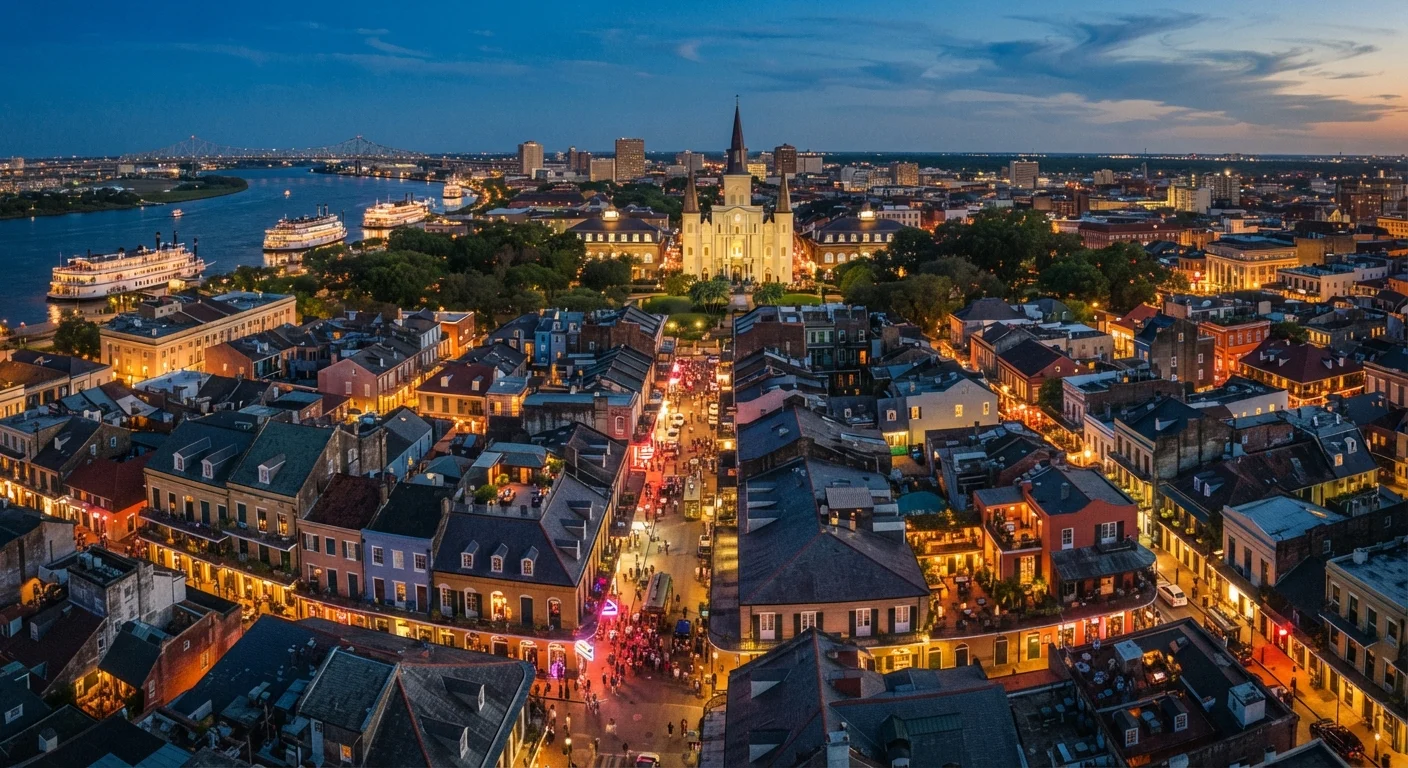
New Orleans is one of America's most genuinely distinctive cities — shaped by French, Spanish, African, and Caribbean influences over centuries. Yet many visitors leave feeling vaguely disappointed, as though the real city was just out of reach. The problem usually isn't the city. It's the approach.
Unlike destinations where the highlights are centralized and clearly signposted, New Orleans rewards curiosity and contextual knowledge. Its culture lives in specific neighborhoods, specific times of day, and specific traditions that don't announce themselves to passing tourists. Without some preparation, it's easy to mistake the performance of New Orleans for the place itself.
If you're comparing major US destinations before committing to a trip, see how New Orleans' character differs from other iconic cities in our piece on New York City vs. Los Angeles.
Spending the entire trip within the French Quarter.
Why it happens: The French Quarter is central, heavily marketed, and easy to navigate — so most visitors default to staying within its boundaries.
Treating Bourbon Street as the primary music destination.
Why it happens: Bourbon Street is the most visible nightlife strip, so first-time visitors assume it represents the city's musical identity.
Eating only at the most prominent, tourist-facing restaurants.
Why it happens: Long-standing famous restaurants have real reputations, and visitors don't want to miss an iconic meal. But concentrated tourist demand inflates wait times and can dilute the experience.
Visiting during a major festival without accounting for the logistics.
Why it happens: Mardi Gras, Jazz Fest, and French Quarter Festival are bucket-list events, so travelers book around them without fully anticipating the scale or cost.
Underestimating the city's heat, humidity, and walkability demands.
Why it happens: New Orleans looks compact on a map and is often associated with nightlife rather than physical exertion, so visitors don't plan for the climate.
How to Engage with New Orleans More Meaningfully
Avoiding these mistakes doesn't require an elaborate itinerary — it mostly requires slowing down and broadening your geographic and temporal scope. A few practical adjustments make a significant difference.
72%
Visitors who stay primarily in the French Quarter
Tourism surveys have consistently found that the majority of first-time visitors to New Orleans spend most of their time in the French Quarter, despite the city having more than a dozen culturally distinct neighborhoods.
350+
Annual festivals in New Orleans
New Orleans hosts an estimated 130 to 350+ festivals per year depending on the count, ranging from globally attended events to small neighborhood celebrations that locals prize.
Start by researching neighborhoods before you arrive. The Garden District, Tremé, Bywater, and Frenchmen Street each offer distinct atmospheres and are more representative of how locals actually experience the city. Plan at least one full day outside the French Quarter.
On food, resist the pull of the most-photographed restaurants and explore neighborhood spots instead. Ask locally, look for lunch crowds made up of residents, and don't skip the city's daytime food culture in favor of saving appetite for tourist-facing dinner spots.
Budget planning also matters here. New Orleans can be deceptively expensive once you factor in cover charges, late-night meals, and festival pricing. Our guide on underestimated trip costs covers what travelers routinely overlook. For a broader planning framework, the full picture of trip planning is a useful reference before any complex trip.
Finally, give the city time. Three days is the minimum to begin understanding New Orleans; most experienced travelers recommend at least five, especially for a first visit. The city has a slower, more layered rhythm than most American destinations — and fighting that rhythm is the surest way to leave feeling like you missed something.
The content on this site is for informational purposes only and is not a substitute for professional advice. Always consult a qualified professional for guidance specific to your situation.