

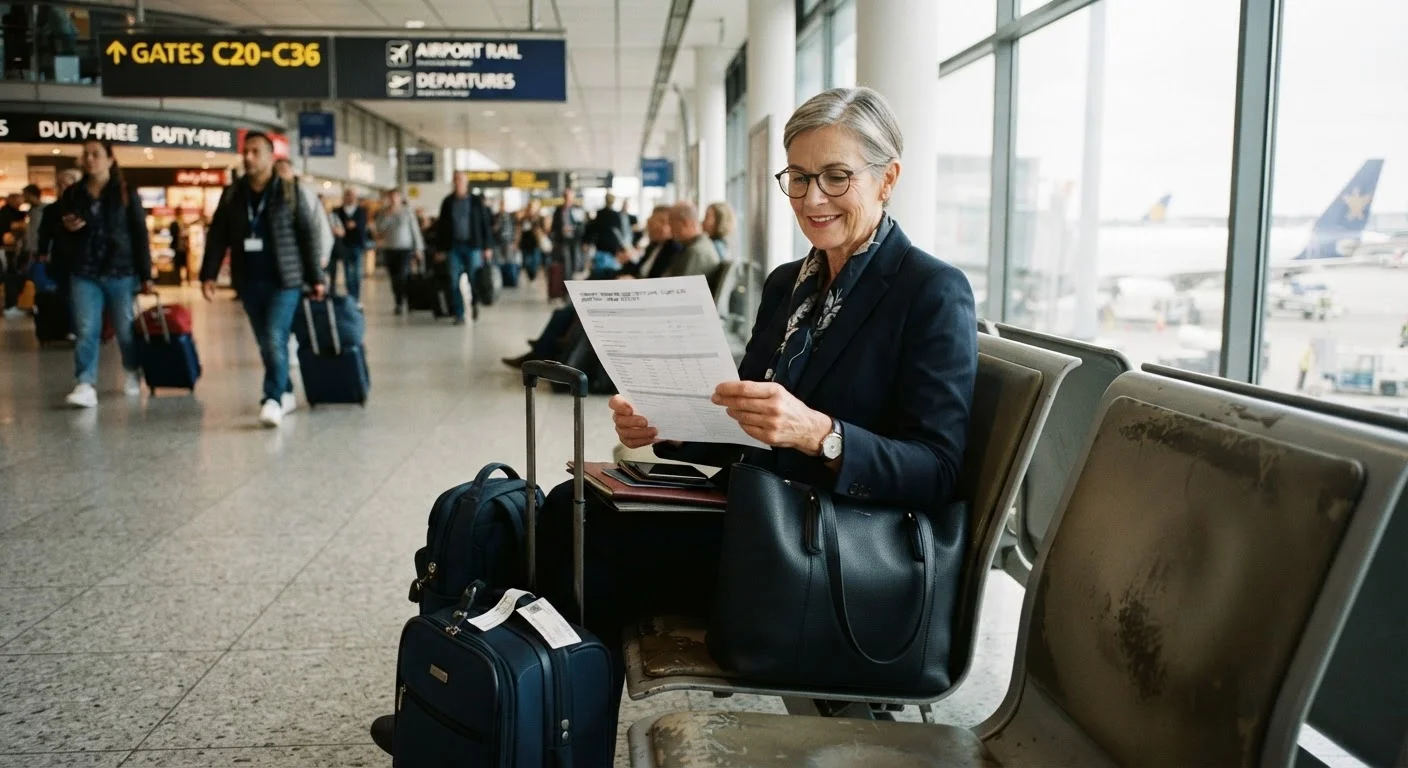
Why Habits — Not Luck — Define the Travel Experience
Ask a frequent traveller why their trips tend to go smoothly, and they rarely credit luck. What separates calm, capable travellers from stressed ones isn't a perfect itinerary or premium seating — it's a set of repeatable habits practiced before, during, and after every trip.
These habits aren't glamorous. They involve checklists, redundancy, and unglamorous preparation. But they compound: each small habit reduces one category of friction, and together they produce a travel experience that feels almost effortless — even when things don't go to plan.
For a structured look at how all these habits fit into the broader planning process, see the full picture of trip planning.
The Core Habits That Make a Measurable Difference
Experienced travellers don't reinvent their approach for every trip. They develop a reliable personal system and apply it consistently. Below are the key practices that show up again and again among people who travel frequently and well.
Digitize and back up all critical documents before every trip.
Lost or stolen documents are one of the most disruptive travel emergencies, but their impact is dramatically reduced when you have accessible digital copies. Storing scans in a secure cloud folder means you can retrieve passport details, insurance numbers, or booking confirmations from any device.
Build at least 90 minutes of buffer time into every connecting flight.
Minimum connection times listed by airlines represent the shortest theoretically possible transfer — not a comfortable one. Gate changes, immigration queues, and terminal distances can consume that window entirely. Experienced travellers treat buffer time as non-negotiable.
Research entry requirements and local laws well before departure.
Visa rules, customs limits, medication restrictions, and dress codes vary significantly between countries. Arriving without required documentation or unknowingly breaking a local law creates complications that no amount of goodwill can easily resolve. Verifying requirements through official embassy or government sources is the only reliable method.
Pack a consistent, audited carry-on that travels with you on every trip.
Checked luggage can be delayed or lost. Seasoned travellers keep essentials — a day's clothing, chargers, medications, and key documents — in their carry-on regardless of trip length. A consistent packing system also reduces the cognitive load of preparing for each new trip.
Carry a small amount of local currency from the moment you land.
Airport ATMs aren't always functional, card readers sometimes fail, and the first hour in a new city often requires cash for transport or tips. Having even a modest amount of local currency eliminates a stressful gap before you've found your footing.
Use a structured itinerary that includes flexibility buffers, not just activities.
Overcrowded itineraries are one of the most common sources of travel stress. Experienced travellers schedule downtime, account for travel between locations, and leave room for spontaneity or recovery. A well-structured plan reduces decision fatigue without eliminating flexibility.
Start Before You Pack: Pre-Departure Discipline
The habits that matter most happen days before you leave, not at the gate. Checking visa requirements, verifying passport validity, confirming accommodation addresses, and downloading offline maps are all tasks that cost very little effort in advance — and enormous stress if skipped.
Seasoned travellers treat pre-departure like a formal process, not an afterthought. Our pre-departure checklist covers the specific verifications worth completing before any international trip.
Entry requirements — including visa rules, vaccination documentation, and customs declarations — vary by destination and change over time. Always verify current requirements through official government or embassy sources before travelling; this article does not constitute authoritative guidance on entry or immigration matters.
In Transit: Staying Calm When Plans Shift
Even well-prepared travellers encounter delays, missed connections, and unexpected closures. The difference is that experienced travellers expect disruption and plan for it. They build buffer time into transit, keep key confirmations accessible offline, carry local currency for the first day, and know who to contact when things go wrong.
First-time international travellers often discover these lessons the hard way. Our guide on what first-time international travellers wish they'd known captures common pain points and how to get ahead of them.
Travel disruption also generates real psychological stress. If you find that travel anxiety goes beyond ordinary nerves, it may be worth understanding how stress and anxiety differ and how each responds to different coping strategies.
The content on this site is for informational purposes only and is not a substitute for professional advice. Always consult a qualified professional for guidance specific to your situation.