

Our Verdict
Portugal's three main regions aren't interchangeable — they serve genuinely different travel goals. The Algarve suits beach-first trips and outdoor activity; Lisbon works well for first-time visitors wanting a city base with cultural depth; Porto appeals to those seeking a more relaxed pace, distinctive neighborhoods, and wine country access. Many itineraries can reasonably include two of the three, particularly Lisbon and Porto, which sit along the same rail corridor.
| Best for | Recommended |
|---|---|
| Beach holidays, warm-weather relaxation, and outdoor sports | The Algarve |
| First-time Portugal visitors wanting urban culture and history | Lisbon |
| Slower-paced trips focused on food, wine, and local neighborhoods | Porto |
| Two-city itineraries with easy rail connections | Lisbon + Porto |
Why the Region Choice Shapes the Whole Trip
Portugal is a relatively small country, but its three most-visited regions offer experiences that don't overlap much. Choosing between the Algarve, Lisbon, and Porto — or deciding how to split time across them — is one of the first decisions that determines whether a trip feels right. Before committing to an itinerary, it helps to understand what each region actually delivers on the ground, not just what looks appealing in photos.
See our guide to structuring a trip itinerary for practical advice on how to pace days once you've settled on a destination mix.
| The Algarve | Lisbon | Porto | |
|---|---|---|---|
| Primary appeal | Beaches and coastline | Urban culture and history | River city, wine, neighborhoods |
| Best season | Late spring through early autumn | Spring and autumn | Spring through summer |
| Crowd levels | High in summer | High year-round in center | Moderate, lower than Lisbon |
| Day-trip options | Sagres, Ria Formosa lagoon | Sintra, Cascais | Douro Valley, Braga |
| Suitable travel pace | Relaxed, beach-oriented | Active, city-based | Slower, exploratory |
| Getting there from Lisbon | ~3 hrs by car or short flight | N/A — it is Lisbon | ~3 hrs by high-speed rail |
The Algarve: Coast, Cliffs, and Outdoor Focus
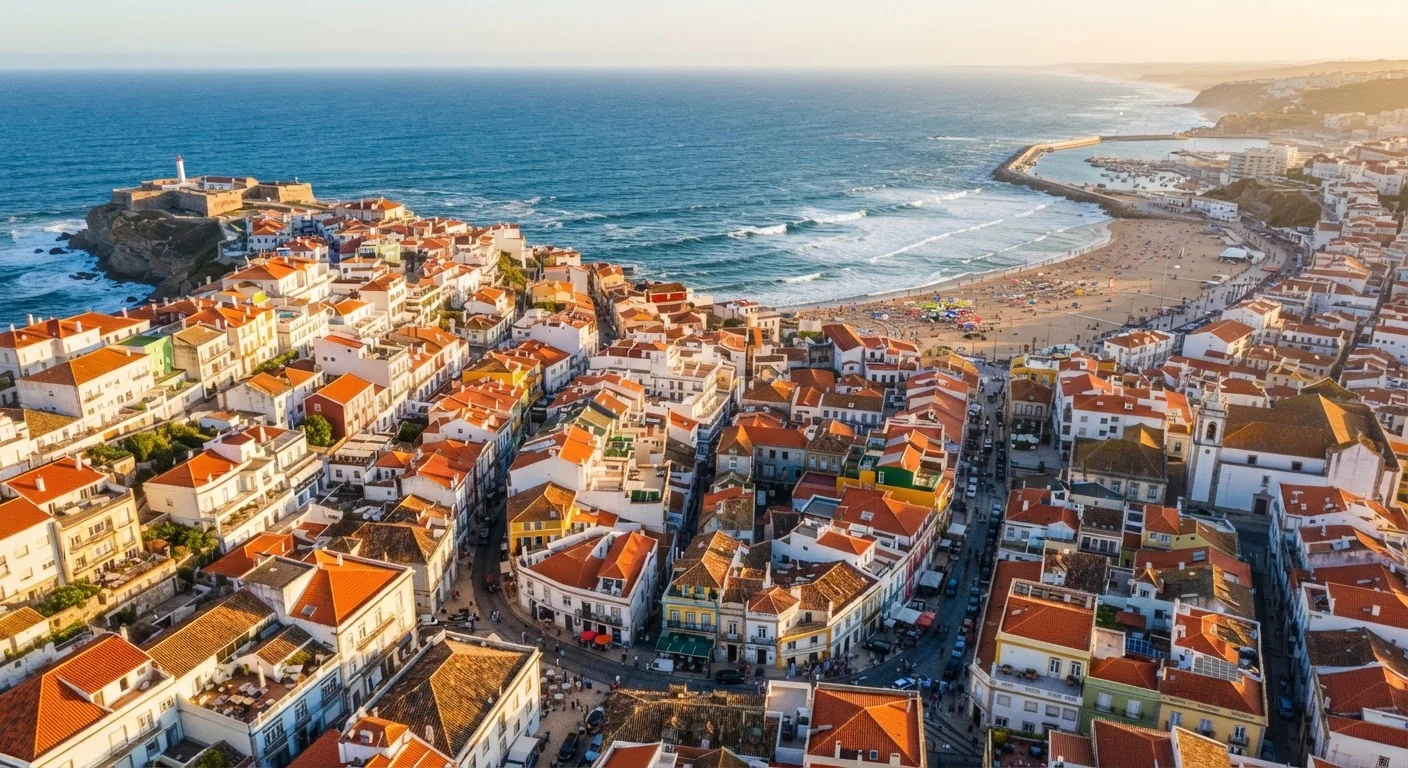
The Algarve occupies Portugal's southern tip and is built primarily around its coastline — specifically, the dramatic limestone cliffs, sea caves, and sandy beaches that stretch from Sagres in the west to the Spanish border in the east. It's the region most visitors think of when they picture Portugal's beaches, and it delivers on that premise reliably from late spring through early autumn.
Beyond the coast, the Algarve offers golf courses, cycling routes, and boat trips along the Ria Formosa lagoon system. Towns like Lagos, Tavira, and Silves have their own historic centers, but the primary draw is outdoor and coastal rather than cultural or urban. Outside the June–August peak, crowds thin considerably, and shoulder-season pricing tends to be more accessible — though some smaller businesses operate reduced hours in winter.
Travelers who prioritize city energy or deep cultural programming may find the Algarve less engaging after the first few days. It suits beach-first trips, family holidays, and visitors who want warm weather as the central feature of their stay.
Lisbon: Urban History, Hills, and a Strong Food Scene
Lisbon functions well as a first-time entry point to Portugal. The capital is compact enough to cover on foot and by tram, layered with distinct neighborhoods — Alfama's narrow lanes, Belém's riverside monuments, Príncipe Real's quieter residential streets — and supported by a food scene that ranges from traditional tascas (small local restaurants) to internationally recognized dining. The city's history as a maritime empire hub is visible in its architecture and museums, and day-trip options to Sintra and Cascais extend the program considerably.
The trade-off is that Lisbon draws significant tourist volume, particularly in summer. Popular viewpoints (miradouros) and historic sites can feel congested during peak months, and accommodation costs in central neighborhoods reflect high demand. Visiting in spring or autumn generally offers better conditions for sightseeing.
For those comparing Lisbon to other European city-plus-coast combinations, our guide to coastal Greece's logistical trade-offs covers similar decisions in a different destination context.
Porto: River City, Wine Country, and a Local Pace
Porto sits roughly three hours north of Lisbon by high-speed rail and operates at a noticeably different tempo. The city's historic Ribeira waterfront district is a UNESCO World Heritage Site, and the surrounding Douro Valley — accessible by train or day trip — is one of the world's most recognizable wine-producing landscapes. Port wine cellars line the Vila Nova de Gaia riverbank opposite the old city center.
Porto tends to attract visitors who've already seen Lisbon, or who prefer a less tourist-saturated environment. It's smaller, its hills are steeper, and its traditional azulejo tile-covered buildings feel particularly well-preserved. The dining scene is strong, anchored by francesinha (a layered meat sandwich with sauce, a regional specialty) and fresh seafood.
One practical note: Porto's weather is wetter and milder than Lisbon's or the Algarve's, particularly in autumn and winter. It's worth accounting for this when planning an itinerary around specific activities.
Combining Regions: What Works Logistically
Lisbon and Porto sit on the same Alfa Pendular rail line, making a two-city itinerary straightforward — the journey takes roughly three hours each way. Many travelers spend four to five days in each, sometimes adding a day trip to Sintra from Lisbon or the Douro Valley from Porto.
Combining either northern city with the Algarve requires more planning. Flights between Faro (the Algarve's main airport) and Lisbon or Porto are available but add logistics; the drive from Lisbon to the central Algarve is approximately three hours. A common structure is to anchor in Lisbon, take the train to Porto, and fly in or out of Faro — though this depends on flight availability and routing from your home airport.
For travelers weighing how travel style affects destination choice, our overview of solo versus group travel trade-offs may also be useful context before booking. For destination comparison methodology across other regions, see our Caribbean island comparison guide and Japan trip-planning decisions overview.
The content on this site is for informational purposes only and is not a substitute for professional advice. Always consult a qualified professional for guidance specific to your situation.